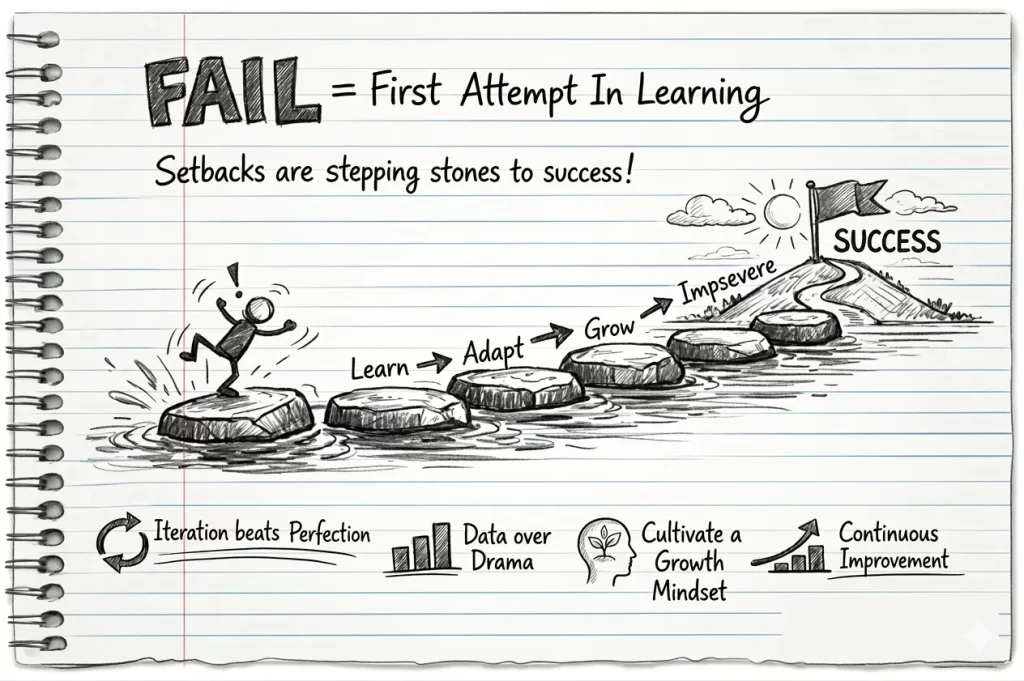
Accepting Failure and Imperfection: The Path to Personal Growth
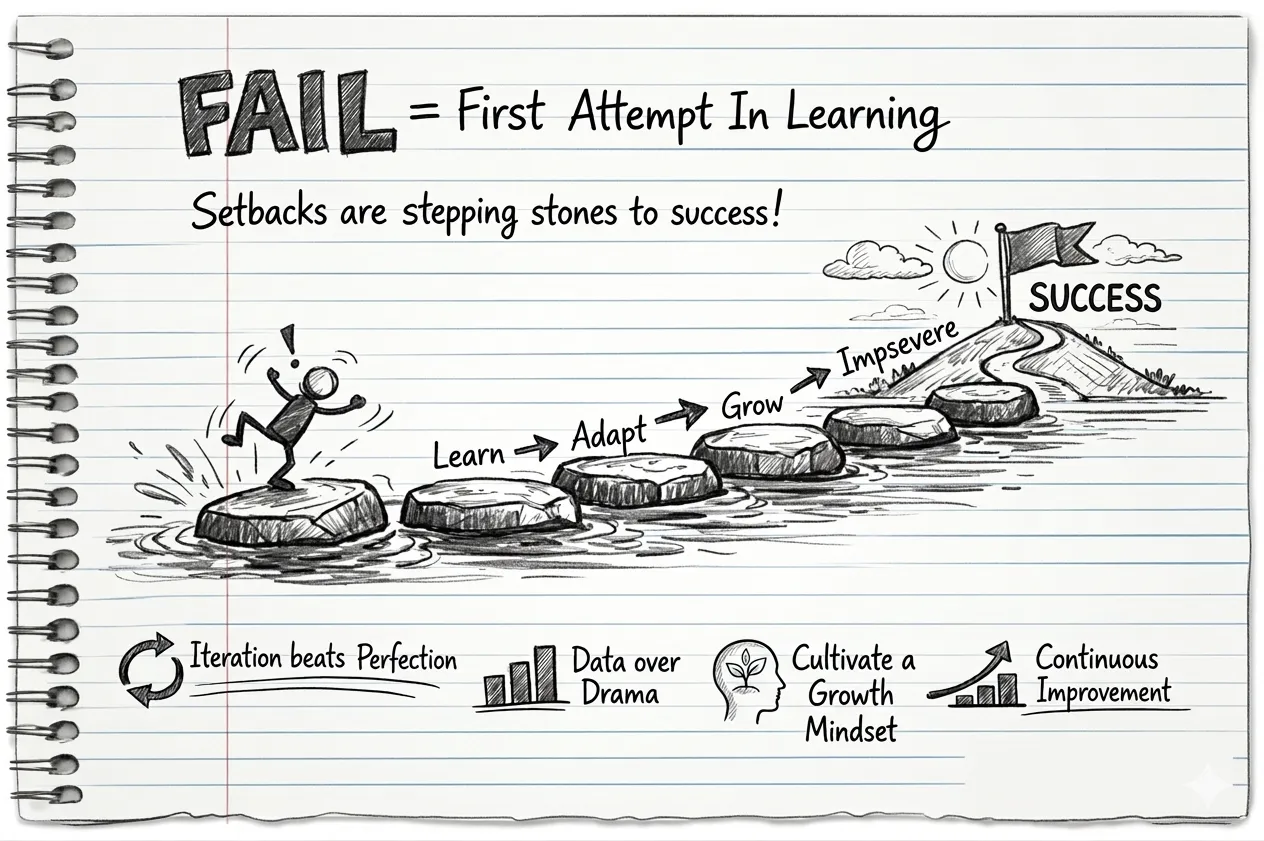
In a world that often celebrates perfection and success, many people fear failure and avoid making mistakes. However, the truth is that accepting failure and imperfection is essential for personal growth and long-term success. No one is perfect, and every successful person has experienced failure at some point in their journey.
Instead of seeing failure as something negative, it should be viewed as a valuable learning experience. When you accept your imperfections, you become more resilient, confident, and open to growth.
1. What Does It Mean to Accept Failure and Imperfection?
Accepting failure means understanding that mistakes and setbacks are a natural part of life. It involves learning from your experiences rather than feeling discouraged or giving up.
Accepting imperfection means recognizing that you do not have to be perfect to succeed. It allows you to focus on progress instead of perfection, which leads to greater self-confidence and productivity.
2. Why Is Accepting Failure Important?
Accepting failure is important because it allows you to learn from mistakes, grow stronger, and improve your future decisions. Embracing failure helps build resilience, encourages experimentation, and fosters a growth mindset, enabling you to overcome challenges and achieve long-term success.
2.1 Encourages Learning Accepting Failure and Imperfection
Failure provides valuable lessons that help you improve and grow.
2.2 Builds Resilience Accepting Failure and Imperfection
Facing challenges makes you stronger and more adaptable.
2.3 Reduces Fear Accepting Failure and Imperfection
When you accept failure, you become less afraid of trying new things.
2.4 Promotes Growth Mindset
You begin to see challenges as opportunities instead of obstacles.
3. The Problem with Perfectionism
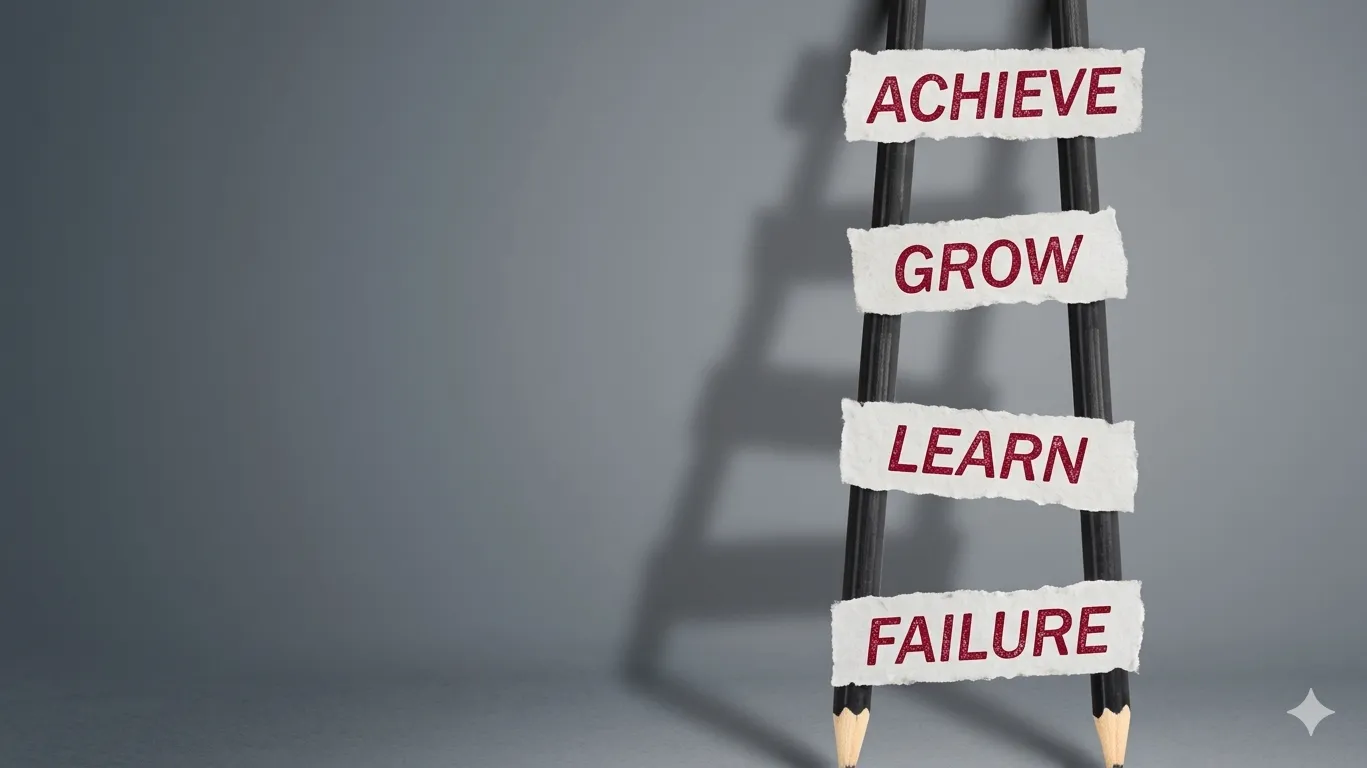
Perfectionism may seem positive, but it can actually hold you back. People who strive for perfection often experience stress, anxiety, and fear of failure. They may delay taking action because they are afraid of making mistakes.
By letting go of perfectionism, you can focus on progress, take action more quickly, and achieve better results over time.
4. How to Accept Failure and Imperfection
To accept failure and imperfection, start by reframing mistakes as opportunities to learn rather than setbacks. Practice self-compassion, focus on progress instead of perfection, and reflect on what you can improve. Embrace challenges, take calculated risks, and understand that growth comes from persistence and learning from your experiences.
4.1 Change Your Mindset Accepting Failure and Imperfection
View failure as a learning opportunity instead of a negative outcome.
4.2 Take Action Despite Fear Accepting Failure and Imperfection
Do not wait until everything is perfect—start now and improve along the way.
4.3 Learn from Mistakes
Reflect on what went wrong and how you can do better next time.
4.4 Practice Self-Compassion
Be kind to yourself and avoid harsh self-criticism.
4.5 Set Realistic Expectations
Understand that success takes time and effort.
5. Practical Tips for Overcoming Fear of Failure
- Focus on progress, not perfection
- Celebrate small achievements
- Surround yourself with supportive people
- Accept that mistakes are part of growth
- Keep trying even after setbacks
6. Real-Life Benefits of Accepting Imperfection
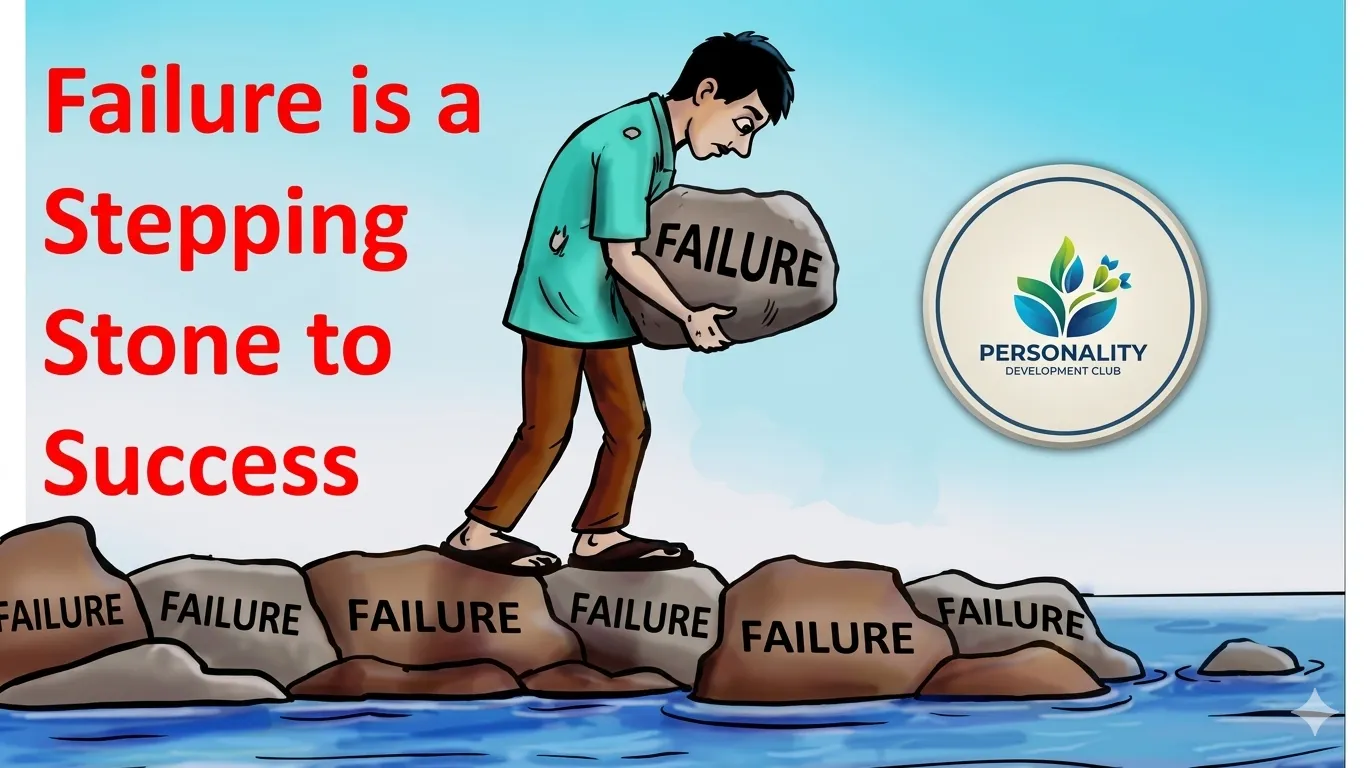
When you accept imperfection, you become more confident and willing to take risks. This leads to more opportunities for learning and success. You also reduce stress and improve your mental well-being because you are no longer trying to meet unrealistic standards.
In the workplace, this mindset helps you become more creative, adaptable, and open to feedback. In your personal life, it helps you build healthier relationships and maintain a positive outlook.
7. Common Mistakes to Avoid
- Being too hard on yourself
- Comparing yourself to others
- Avoiding challenges due to fear
- Expecting immediate success
- Ignoring lessons from failure
8. Conclusion
Learning to accept failure and imperfection is one of the most important steps toward personal and professional growth. It allows you to overcome fear, build resilience, and continuously improve yourself.
Remember, success is not about being perfect—it is about learning, growing, and moving forward despite challenges. By embracing your imperfections and learning from failure, you can create a more fulfilling and successful life.