How to Build Good Habits and Eliminate Bad Habits Effectively
Introduction
Habits shape your life more than motivation ever will. From the moment you wake up to the time you go to bed, your daily routines determine your productivity, health, and success.
So how can you build good habits and eliminate bad habits effectively? The answer lies in understanding how habits work and applying simple, consistent strategies every day.
1. What Are Habits?
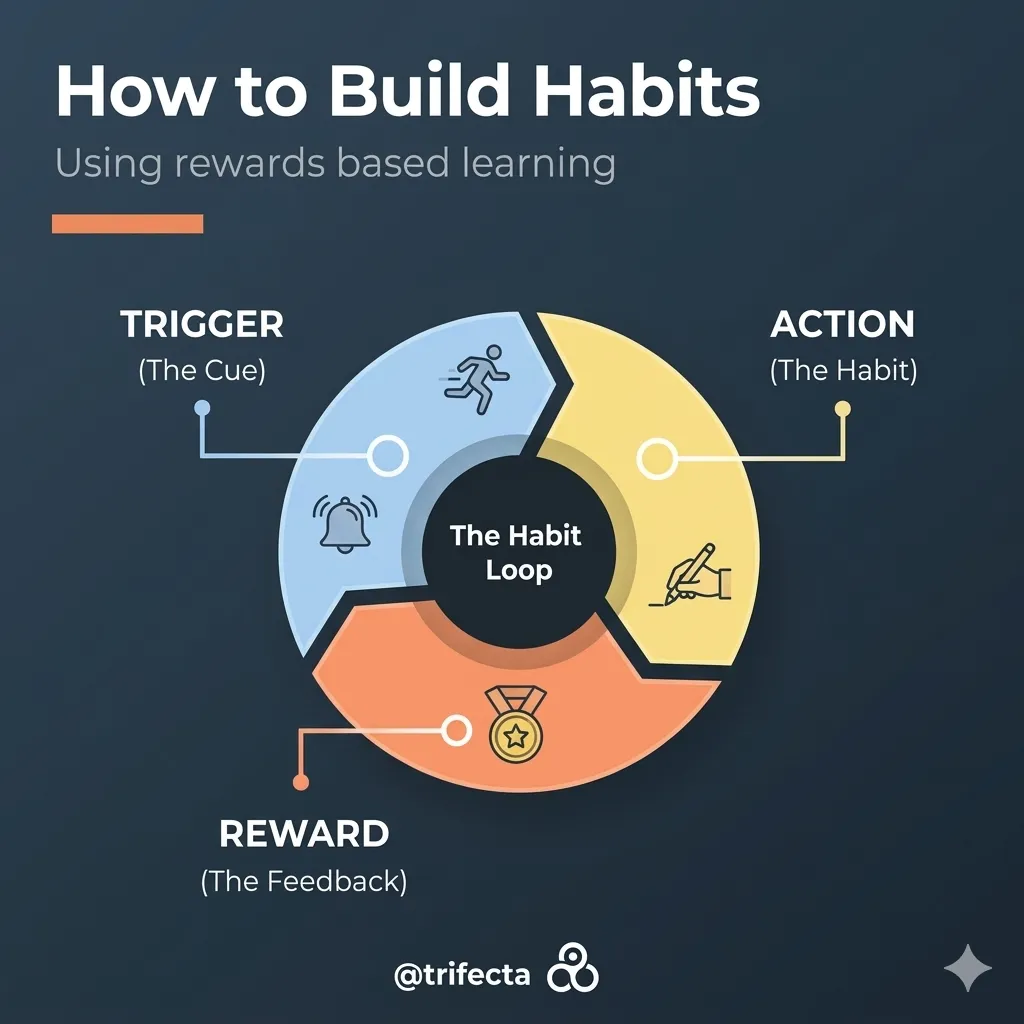
Habits are automatic behaviors that are repeated regularly with little or no conscious thought. They are formed through a cycle known as the habit loop, which includes:
- Cue (trigger)
- Routine (behavior)
- Reward (benefit)
Understanding this loop is the key to changing your habits.
2. Why Are Habits Important?
Habits are important because they shape our daily actions and, over time, determine our success. Good habits, like studying regularly or managing time well, help us stay consistent and productive without needing constant motivation. They also save mental energy, allowing us to focus on more important decisions. On the other hand, bad habits can hold us back and limit progress. By building positive habits, we can improve our performance, achieve goals more easily, and create a more organized and successful life.
Good habits can:
- Improve your physical and mental health
- Increase productivity and focus
- Help you achieve long-term goals
- Reduce stress and decision fatigue
On the other hand, bad habits can slowly damage your progress and well-being.
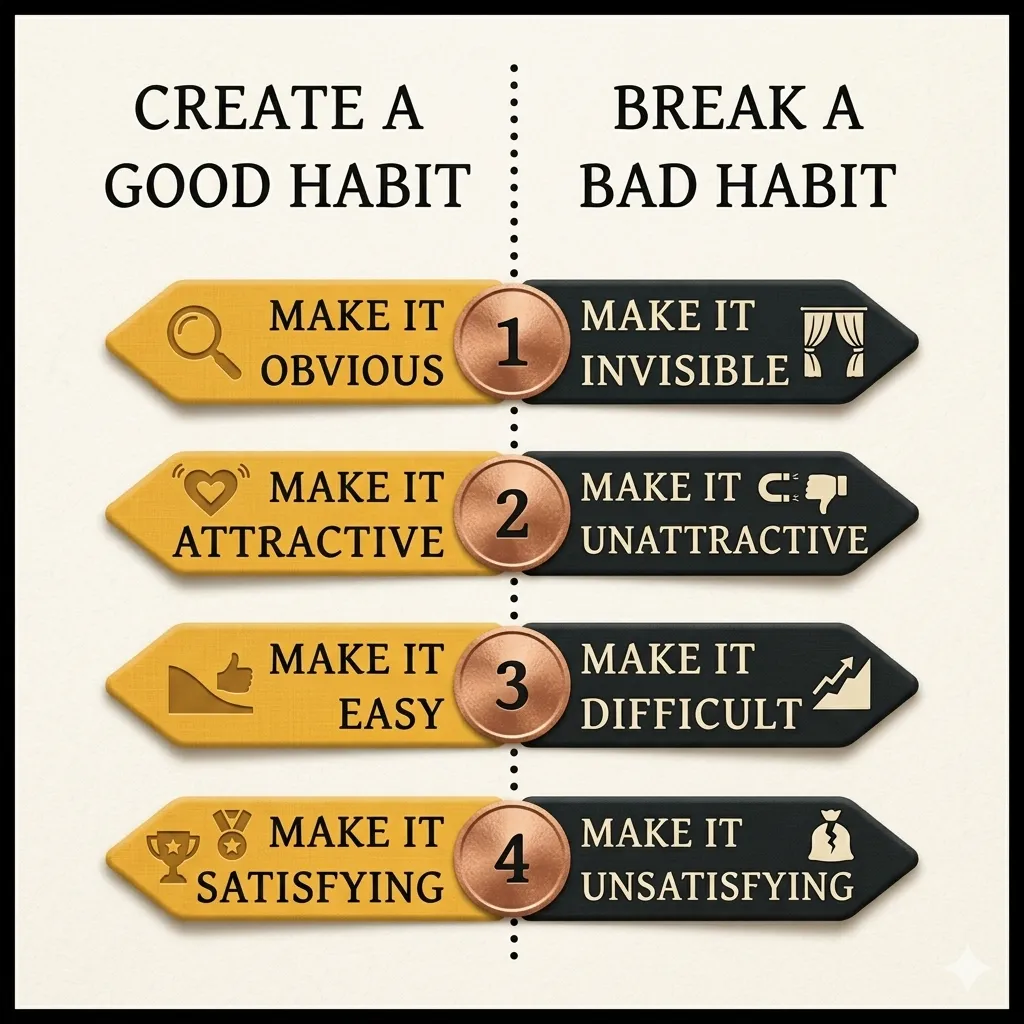
3. How to Build Good Habits
1. Start Small
Don’t try to change everything at once. Begin with tiny, manageable actions.
👉 Example: Instead of “exercise every day,” start with 5 minutes of walking.
2. Be Consistent
Consistency matters more than intensity. Repeating a small habit daily builds long-term success.
👉 Tip: Focus on showing up, not being perfect.
3. Use Habit Stacking
Attach a new habit to an existing one.
👉 Example: After brushing your teeth, meditate for 2 minutes.
4. Design Your Environment
Make good habits easier to do:
- Keep healthy food visible
- Place books near your bed
- Prepare workout clothes in advance
Your environment should support your goals.
5. Track Your Progress
build good habits Use a habit tracker or journal to stay accountable.
- Mark completed habits daily
- Celebrate small wins
6. Reward Yourself
build good habits Positive reinforcement strengthens habits.
👉 Example: After completing a week of workouts, treat yourself to something you enjoy.
4. How to Eliminate Bad Habits
1. Identify Your Triggers
Understand what causes your bad habits:
- Stress
- Boredom
- Certain environments or people
Awareness is the first step to change.
2. Replace, Don’t Remove
It’s easier to replace a bad habit than to stop it completely.
👉 Example: Replace scrolling on your phone with reading or stretching.
3. Make It Difficult
Increase friction for bad habits:
- Remove apps from your phone
- Keep junk food out of reach
- Limit access to distractions
4. Use the “2-Minute Rule”
If a habit feels overwhelming, scale it down.
👉 Example: Want to stop procrastinating? Start with 2 minutes of focused work.
5. Stay Accountable
Share your goals with someone or join a community.
Accountability increases your chances of success.
6. Be Patient with Yourself
Breaking bad habits takes time. Don’t get discouraged by setbacks.
👉 Progress > perfection.
5. Common Mistakes to Avoid
- Trying to change too many habits at once
- Relying only on motivation
- Ignoring triggers
- Being too hard on yourself after failure
6. Conclusion
Building good habits and eliminating bad ones is not about drastic changes—it’s about small, consistent actions over time.
Focus on progress, create supportive environments, and stay patient. Over time, your habits will shape a better version of yourself.