Personal Branding: The Key to Standing Out in a Competitive World
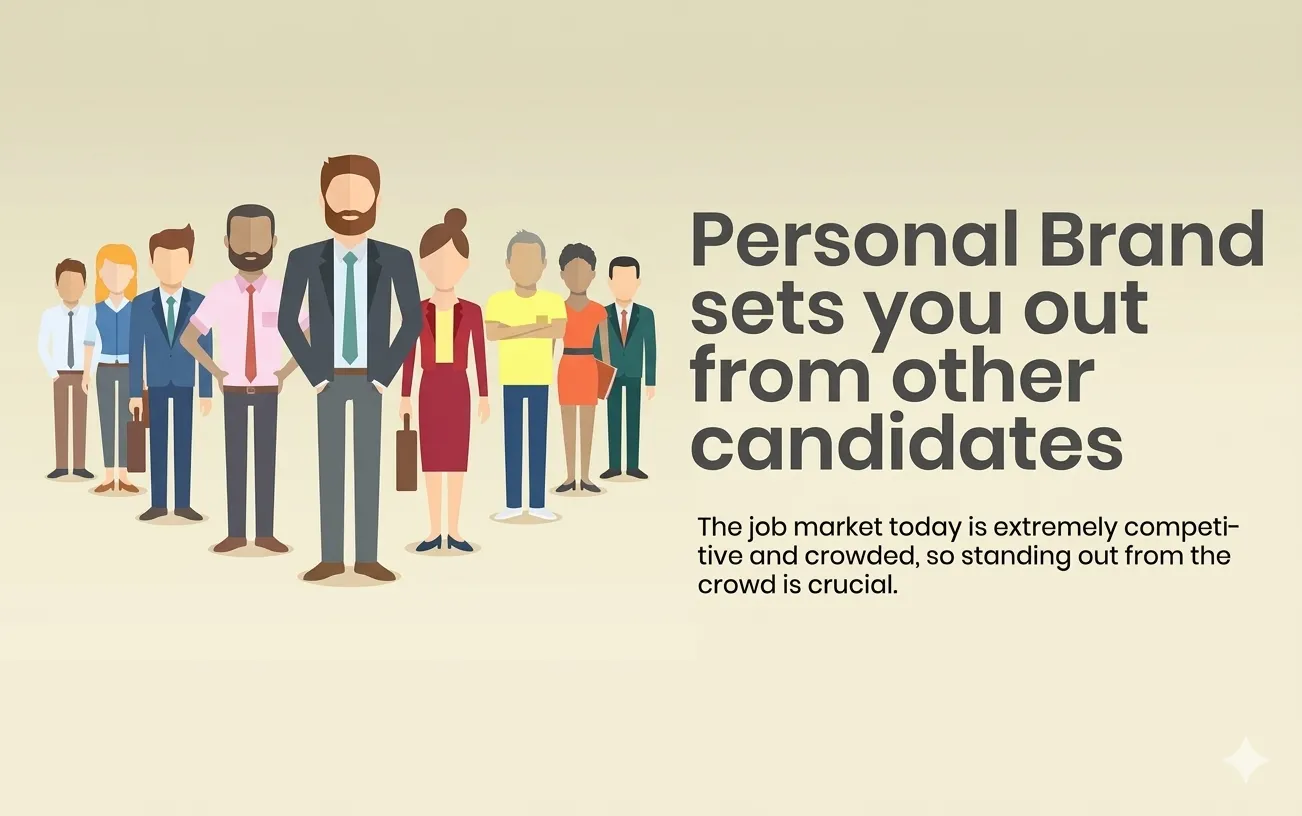
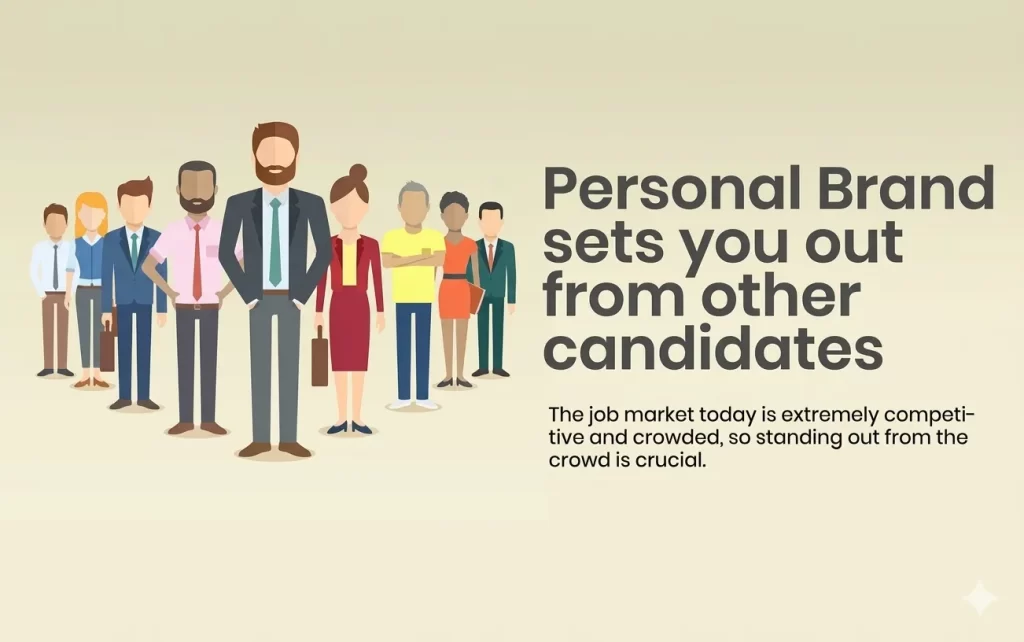
In today’s digital era, personal branding is more important than ever. Whether you are a student, employee, freelancer, or entrepreneur, how people perceive you can significantly impact your success. A strong personal brand helps you stand out, build trust, and create more opportunities in your career and life.
Personal branding is not about pretending to be someone else—it’s about clearly communicating who you are, what you stand for, and the value you bring to others.
1. What Is Personal Branding?
Personal branding is the process of shaping how others perceive you. It includes your skills, personality, values, and the way you present yourself both online and offline.
Your personal brand is your reputation. It is what people think of when they hear your name or see your work. A strong brand helps you become more recognizable and trustworthy.
2. Why Is Personal Branding Important?
Personal branding is important because it helps you showcase your unique strengths, skills, and values to stand out in a competitive environment. A strong personal brand builds trust, credibility, and recognition, making it easier to attract opportunities, connect with the right people, and advance in your career or personal endeavors. It ensures that others remember you for the value and impact you bring.
2.1 Stand Out from the Crowd
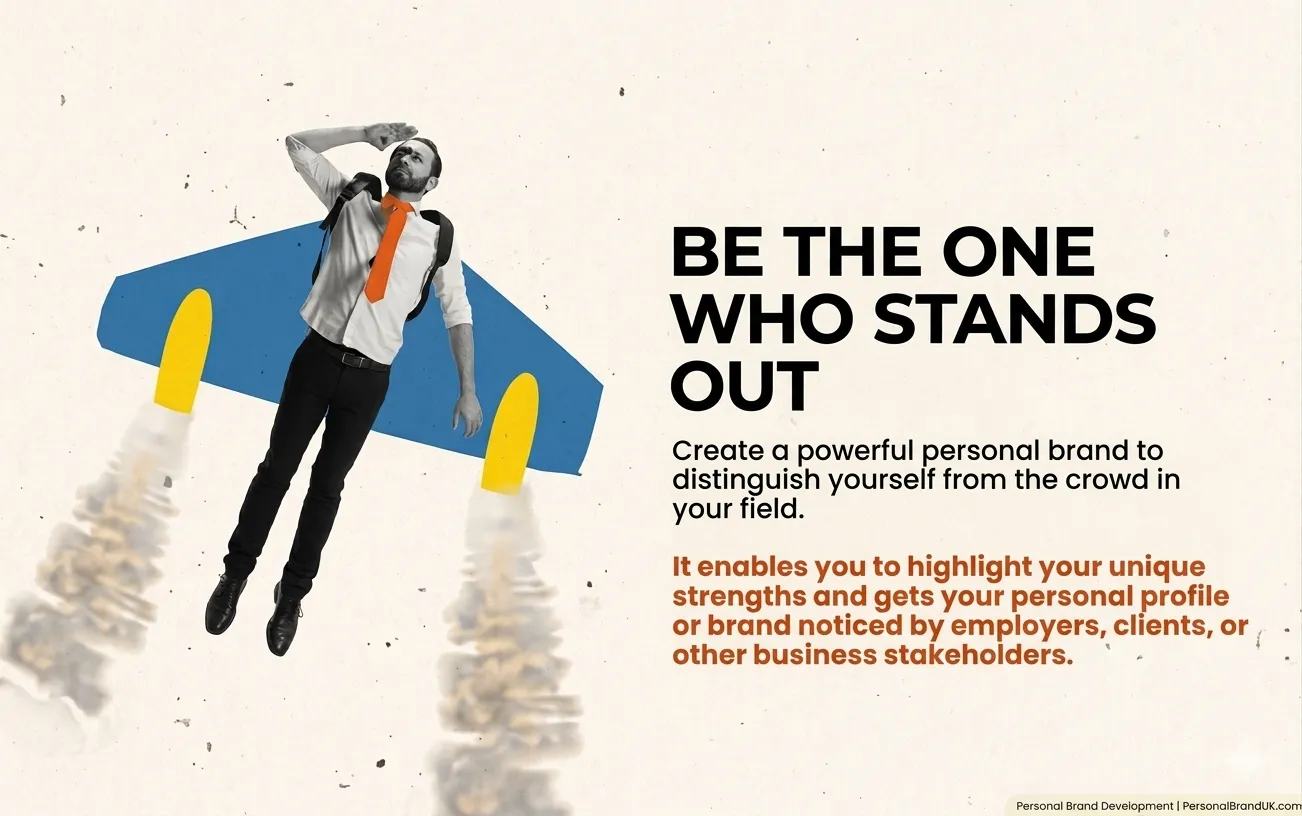
A unique personal brand helps you differentiate yourself in a competitive market.
2.2 Build Trust and Credibility
People are more likely to trust individuals who have a clear and consistent image.
2.3 Create Career Opportunities
A strong brand attracts job offers, clients, and partnerships.
2.4 Increase Influence
You can inspire and impact others through your voice and expertise.
3. Key Elements of a Strong Personal Brand
3.1 Self-Awareness
Understand your strengths, weaknesses, values, and goals.
3.2 Unique Value Proposition
Identify what makes you different and valuable.
3.3 Consistency
Maintain a consistent message across all platforms.
3.4 Authenticity
Be genuine and true to yourself.
3.5 Online Presence
Build a professional presence on platforms like LinkedIn, blogs, or social media.
4. How to Build Your Personal Brand
4.1 Define Your Goals
Decide what you want to be known for and who your target audience is.
4.2 Identify Your Strengths
Focus on your skills and areas of expertise.
4.3 Create Valuable Content
Share knowledge, experiences, and insights through posts, blogs, or videos.
4.4 Build Your Online Presence
Optimize your profiles and stay active on professional platforms.
4.5 Network and Connect
Build relationships with people in your industry.
5. Practical Tips to Strengthen Your Personal Brand
- Be consistent in your messaging
- Share your achievements and experiences
- Stay active on social media
- Continuously learn and improve
- Be professional in communication
6. Common Mistakes to Avoid
- Trying to copy others
- Being inconsistent in your image
- Lack of authenticity
- Ignoring online presence
- Not engaging with your audience
7. Personal Branding in the Digital Age
With the rise of social media and digital platforms, personal branding has become more accessible. You can build your brand through platforms like LinkedIn, YouTube, or personal blogs. However, it is important to focus on quality content and genuine engagement rather than just gaining followers.
A strong digital presence allows you to reach a wider audience and establish yourself as an expert in your field.
8. Long-Term Benefits of Personal Branding
When you invest in your personal brand, you create long-term value. A strong brand helps you build credibility, attract opportunities, and grow professionally. It also gives you more control over your career path and personal growth.
9. Conclusion
Building a strong personal brand is essential for success in today’s competitive world. It helps you stand out, build trust, and create meaningful opportunities. By focusing on authenticity, consistency, and value creation, you can develop a powerful personal brand that supports your long-term goals.