Teamwork Skills: The Key to Success in the Modern Workplace

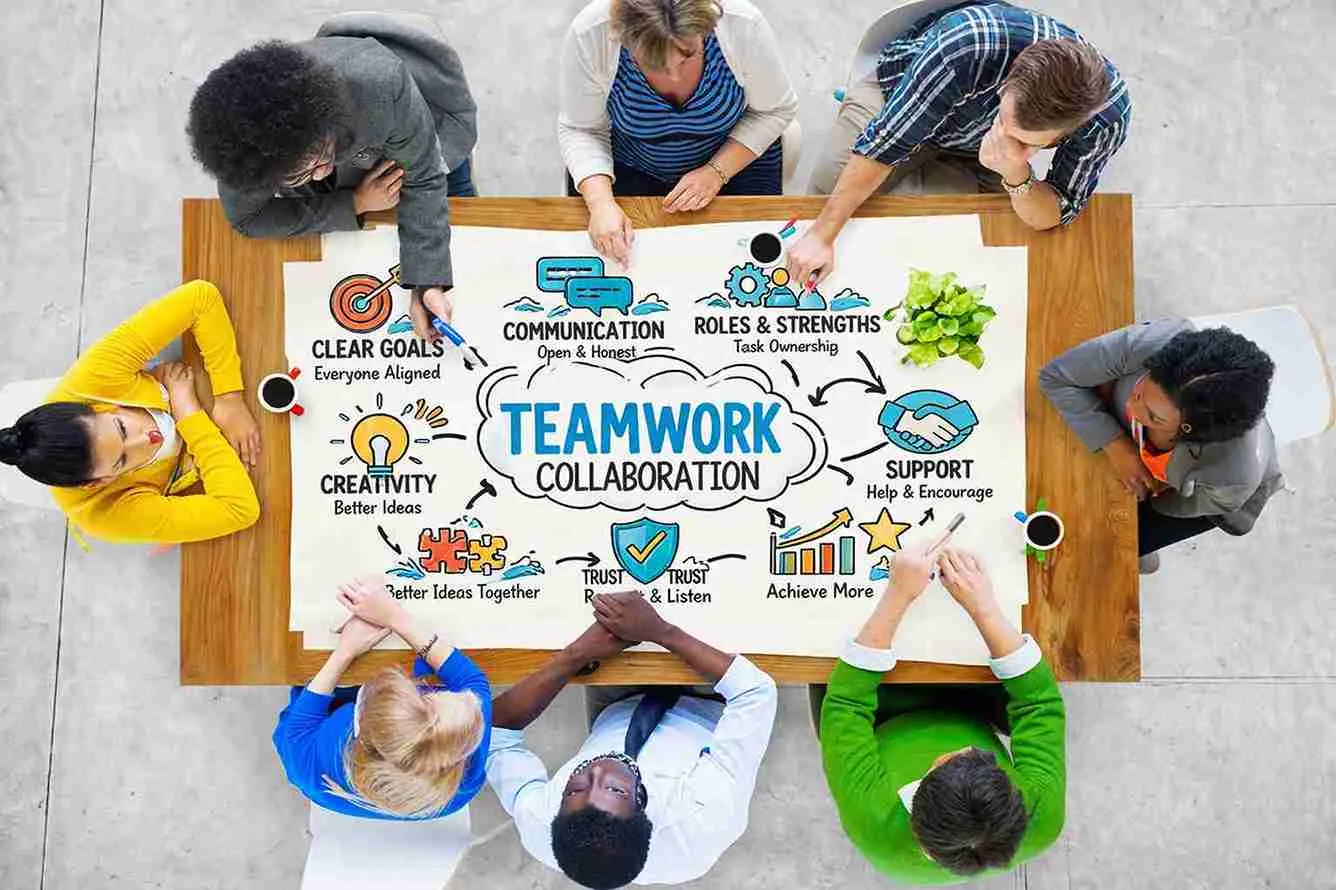
In today’s increasingly collaborative work environment, teamwork skills are no longer just an advantage—they are essential. Whether you are a student, an employee, or a manager, your ability to work effectively with others plays a crucial role in your overall success.
1. What Are Teamwork Skills?
Teamwork skills refer to the ability to collaborate, communicate, and coordinate with others to achieve a common goal. This includes sharing responsibilities, supporting teammates, and resolving conflicts in a constructive way.
2. Why Are Teamwork Skills Important?
2.1. Improve Work Efficiency
When each team member takes on a suitable role, tasks are completed faster and with higher quality.
2.2. Encourage Creativity
Working in a team brings together diverse perspectives, leading to more innovative solutions.
2.3. Develop Personal Skills
You can improve your listening, communication, and adaptability by interacting with different people.
2.4. Create a Positive Work Environment
A strong, connected team helps reduce stress and increases job satisfaction.
3. Essential Teamwork Skills
3.1. Effective Communication
Clearly express ideas, actively listen, and provide constructive feedback.
3.2. Responsibility
Complete your assigned tasks and support your teammates when needed.
3.3. Conflict Resolution
Handle disagreements professionally to maintain team harmony.
3.4. Leadership (When Necessary)
Guide the team, delegate tasks appropriately, and motivate others.
3.5. Flexibility
Adapt to changes and align with the team’s goals.
4. How to Improve Your Teamwork Skills
4.1. Be Proactive in Communication
Don’t hesitate to share your ideas or ask questions.
4.2. Practice Active Listening
Understanding others’ perspectives leads to better collaboration.
4.3. Respect Differences
Everyone has unique strengths—leverage them instead of criticizing.
4.4. Give and Receive Feedback
Constructive feedback helps the entire team grow.
4.5. Join Team Activities
Practice is the best way to build strong teamwork skills.
5. Real-Life Example of Effective Teamwork
A real-life example of effective teamwork can be seen in a marketing project where team members collaborate to launch a new product. Each person has a specific role, such as planning strategy, creating content, managing advertisements, and analyzing data. By communicating clearly and supporting one another, the team ensures that every part of the campaign aligns with the overall goal. As a result, the project is completed more efficiently and achieves better outcomes than individual efforts.
A marketing project team may include:
- A strategist
- A content creator
- An advertising specialist
- A data analyst
When all members collaborate smoothly, the campaign becomes far more effective than individual efforts.
6. Conclusion
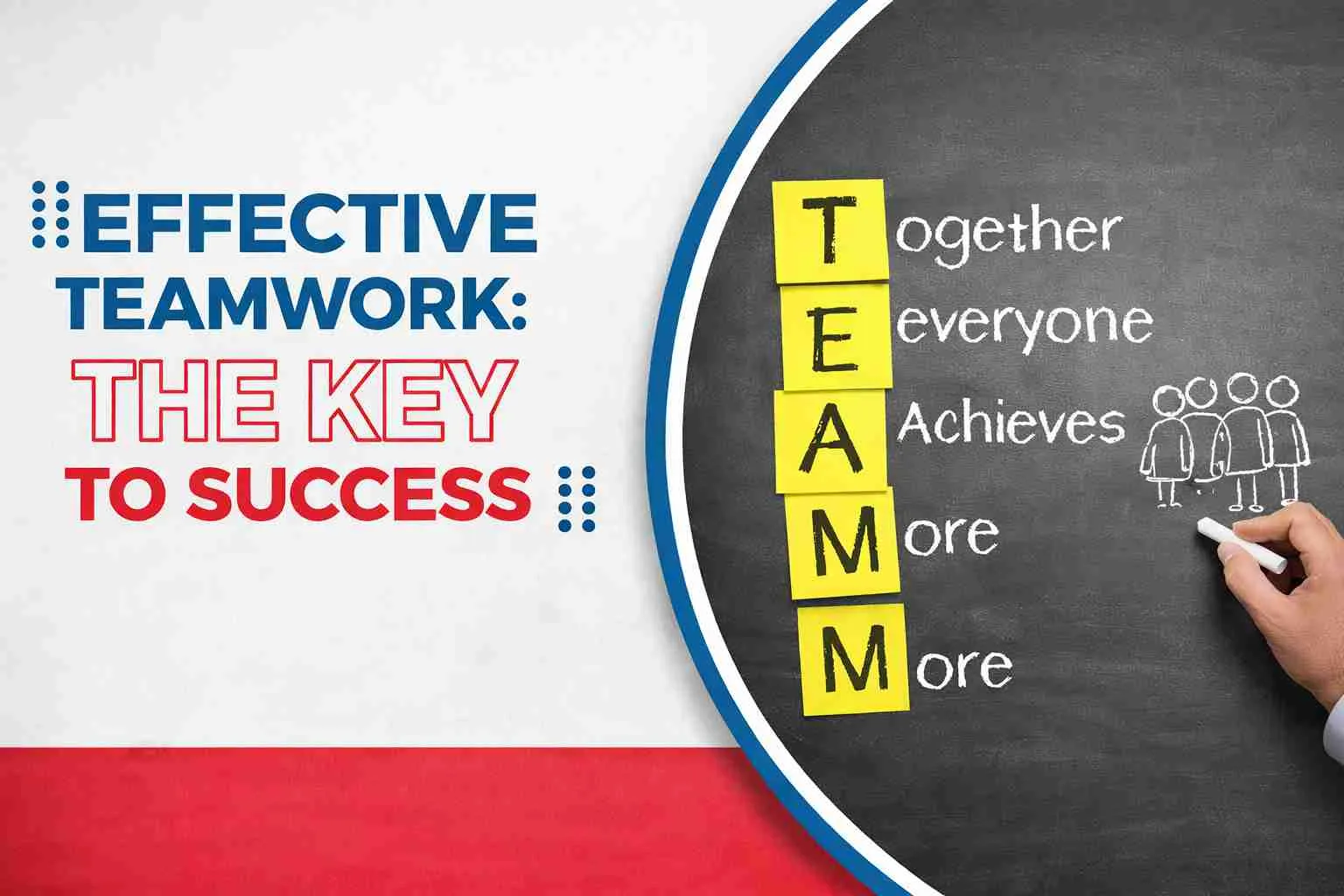
Teamwork skills not only help you perform better at work but also open up more opportunities for career growth. In today’s world, “If you want to go far, go together” is not just advice—it’s a principle for success.
Teamwork skills are among the most important abilities in modern study and work environments. When individuals know how to communicate, collaborate, and support each other, overall performance improves significantly. Not only does teamwork help achieve common goals, but it also contributes to personal development and creates a positive work environment. Therefore, developing and improving teamwork skills is essential for long-term success and sustainable growth.