
Distraction Control: Mastering Your Environment for Deep Focus

In today’s digital world, distractions are everywhere. From smartphones and social media to noisy environments, maintaining focus has become increasingly difficult. This is why developing distraction control skills—especially through managing your environment—is essential for productivity and success.
Many people believe that lack of focus is a problem of discipline. However, in most cases, it is actually an environmental issue. By designing your surroundings intentionally, you can significantly reduce distractions and improve your ability to concentrate.
1. Why Environment Matters More Than You Think
Your environment plays a major role in shaping your behavior. A cluttered workspace, constant notifications, or background noise can easily pull your attention away from important tasks.
Instead of relying solely on willpower, successful individuals create environments that support focus. When your surroundings are optimized, staying productive becomes much easier and more natural.
2. Common Sources of Distraction
Before you can control distractions, you need to identify them. Some of the most common distractions include:
- Social media and smartphone notifications
- Noisy or crowded workspaces
- Cluttered desks
- Multitasking habits
- Interruptions from others
Understanding these distractions helps you take the first step toward eliminating them.
3. How to Control Distractions Through Your Environment
To control distractions, design your environment to support focus and productivity. Keep your workspace clean and organized, remove unnecessary items, and limit noise or interruptions. Turn off notifications, use tools like website blockers, and create a dedicated space for work or study. A well-structured environment helps you stay focused, reduce distractions, and improve efficiency.
✅ Create a Dedicated Workspace Distraction Control
Design a specific area for work or study. This helps your brain associate that space with focus and productivity.
✅ Minimize Digital Distractions Distraction Control
Turn off unnecessary notifications, use “Do Not Disturb” mode, or limit access to distracting apps during work sessions.
✅ Keep Your Workspace Clean
A tidy environment reduces mental clutter and improves concentration.
✅ Control Noise Levels
Use noise-canceling headphones or play background music that supports focus.
✅ Set Boundaries with Others
Communicate your focus time to avoid unnecessary interruptions.
4. The Power of Environmental Design
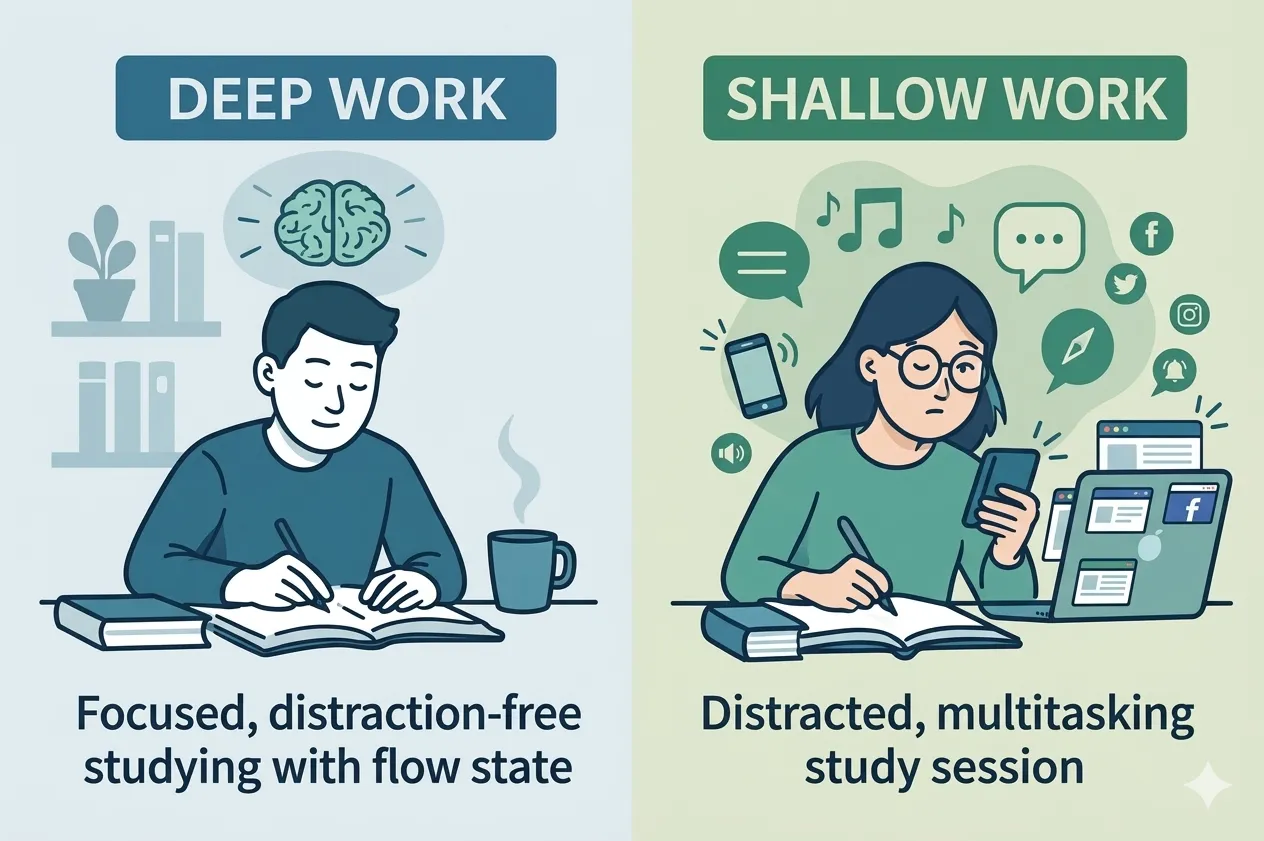
Environmental design is the practice of shaping your surroundings to support desired behaviors. Instead of fighting distractions, you remove them before they become a problem.
For example, placing your phone out of reach, using website blockers, or organizing your desk can significantly improve your focus without requiring extra effort.
5. Practical Tips to Stay Focused
- Use the Pomodoro Technique (25-minute focus sessions)
- Keep only essential items on your desk
- Schedule specific times for checking emails and messages
- Work in a quiet or controlled environment
- Take regular breaks to avoid burnout
6. Common Mistakes to Avoid
- Relying only on willpower
- Working in distracting environments
- Keeping your phone within reach
- Trying to multitask
- Ignoring the importance of breaks
7. Benefits of Controlling Distractions
When you effectively control distractions, you experience:
✔ Increased Productivity
You complete tasks faster and more efficiently.
✔ Better Focus
You can concentrate deeply on important work.
✔ Reduced Stress
Less distraction means less mental overload.
✔ Improved Work Quality
Focused work leads to better results.
8. Real-Life Example
Imagine trying to work while constantly checking your phone. Each notification breaks your concentration, making it harder to return to your task. By simply turning off notifications or placing your phone in another room, you can dramatically improve your focus.
This shows that small environmental changes can lead to significant improvements in productivity.
9. Conclusion
Distraction control is not just about discipline—it is about designing your environment for success. By reducing distractions and creating a focused workspace, you can improve productivity, manage your time better, and achieve your goals more effectively.
Remember, you don’t need more willpower—you need a better environment. Start making small changes today, and you will see a big difference in your ability to focus and perform at your best.