
Golden Mindsets for Time Management: Work Smarter, Achieve More

Golden Mindsets for Time Management Time is one of the most valuable resources we have, yet many people struggle to manage it effectively. In a world full of distractions and endless tasks, mastering is no longer optional—it is essential. However, effective time management is not just about tools or schedules; it starts with the right mindset.
By adopting the right time management mindsets, you can increase productivity, reduce stress, and create a more balanced life.
1. Why Mindset Matters in Time Management
Many people believe that managing time is about planning every minute of the day. In reality, it is about how you think about time, priorities, and productivity. Without the right mindset, even the best tools and techniques will fail.
A strong mindset helps you focus on what truly matters, avoid distractions, and stay consistent in your efforts.
2. Golden Mindsets for Effective Time Management
2.1. Focus on Priorities, Not Busyness Golden Mindsets for Time Management
Golden Mindsets for Time Management Being busy does not mean being productive. One of the most important mindsets is to focus on high-impact tasks instead of trying to do everything.
Ask yourself: What tasks will bring the most value today?
2.2. Time Is Limited – Treat It as a Resource
Time is finite, and once it’s gone, you cannot get it back. Understanding this helps you become more intentional with how you spend each hour.
2.3. Progress Over Perfection
Perfectionism often leads to procrastination. Instead of waiting for the perfect moment, focus on making progress step by step.
2.4. Discipline Beats Motivation
Motivation comes and goes, but discipline keeps you consistent. Building habits and routines ensures that you stay productive even when you don’t feel motivated.
2.5. Say No to Protect Your Time
One of the most powerful skills in time management is learning to say “no.” Not every opportunity or request deserves your attention.
2.6. Focus on What You Can Control
You cannot control everything, but you can control how you use your time. Avoid wasting energy on things beyond your control.
2.7. Rest Is Part of Productivity
Taking breaks and resting is not a waste of time. It helps you recharge and maintain long-term productivity.
3. How to Apply These Mindsets in Daily Life
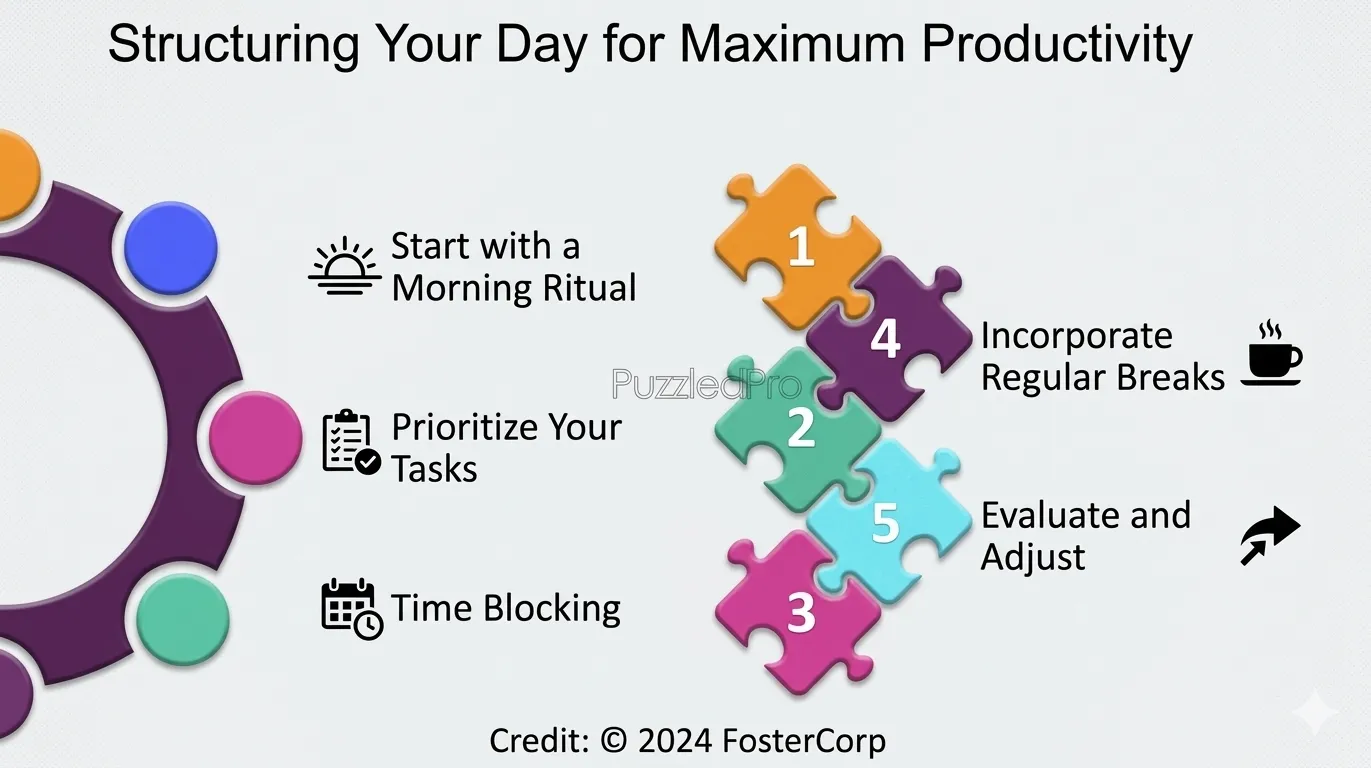
3.1 Plan Your Day with Purpose
Start your day by identifying 2–3 important tasks that matter most.
3.2 Use Time Blocks
Allocate specific time periods for focused work and avoid multitasking.
3.3 Eliminate Distractions
Turn off unnecessary notifications and create a focused work environment.
3.4 Review and Reflect
At the end of the day, evaluate what you accomplished and what can be improved.
4. Practical Tips for Better Time Management
- Use a to-do list or planner
- Break large tasks into smaller steps
- Set deadlines for yourself
- Avoid multitasking
- Track how you spend your time
5. Common Mistakes to Avoid
- Trying to do too many tasks at once
- Procrastinating important work
- Ignoring rest and recovery
- Not setting clear priorities
- Letting distractions control your schedule
6. Long-Term Benefits of Strong Time Management Mindsets
When you adopt these, you not only become more productive but also improve your overall quality of life. You gain more control over your time, reduce stress, and create space for personal growth.
In your career, strong helps you meet deadlines, perform better, and achieve your goals faster. In your personal life, it allows you to maintain balance and enjoy meaningful moments.
7. Conclusion
Effective time management is not just about managing tasks—it is about managing your mindset. By focusing on priorities, staying disciplined, and valuing your time, you can work smarter and achieve more.
Remember, time is your most valuable asset. Use it wisely, and it will lead you to success and fulfillment.