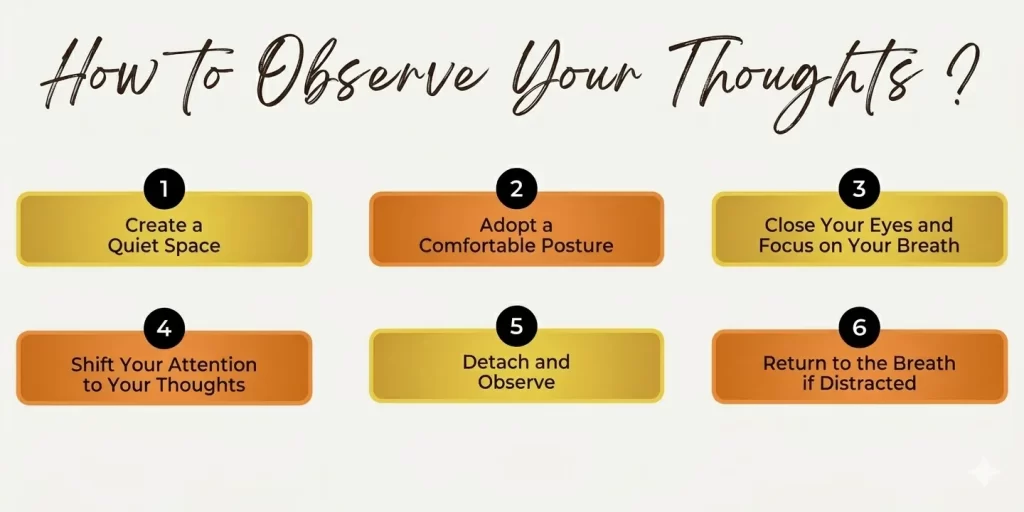
The Observer’s Mindset: A Simple Practice for Clarity and Control
In today’s fast-paced world, we often find ourselves in emotionally charged situations—at work, in relationships, or during important decisions. In these moments, staying calm and thinking clearly can be extremely difficult. This is where the observer’s mindset becomes a powerful tool.
The observer’s mindset is a simple yet effective way to step back, detach from emotions, and see situations objectively. By practicing this mindset, you can improve decision-making, reduce stress, and respond more thoughtfully instead of reacting impulsively.
1.Why Do We Struggle with Emotional Reactions?
As humans, our brains are naturally wired to react quickly to perceived threats. In ancient times, our ancestors relied on instinct and emotion to survive dangerous situations. Quick reactions often meant the difference between life and death.
Although modern life rarely involves such extreme danger, our brains still respond in the same way. When faced with uncertainty or conflict, we tend to rely on assumptions, past experiences, and emotions. As a result, we may overreact, misunderstand situations, or make poor decisions.
2. What Is the Observer’s Mindset?
The observer’s mindset is the ability to step outside of your immediate experience and view a situation from a neutral, third-person perspective. Instead of being overwhelmed by emotions, you become an observer of your thoughts, feelings, and surroundings.
This mindset allows you to separate reality from interpretation, helping you see things more clearly and act more rationally.
3. The Core Practice: Facts, Assumptions, and Emotions
A simple way to apply the observer’s mindset is by organizing your thoughts into three categories:
3.1 Facts The Observer’s Mindset
Facts are objective truths—what you can clearly see or verify. They are not influenced by personal opinions or feelings.
3.2 Assumptions The Observer’s Mindset
Assumptions are interpretations or beliefs about a situation that may or may not be true. They help us make sense of reality, but they are not always accurate.
3.3 Emotions The Observer’s Mindset
Emotions are your feelings in response to the situation. While they are valid, they should not be the sole basis for decision-making.
4. How to Practice the Observer’s Mindset
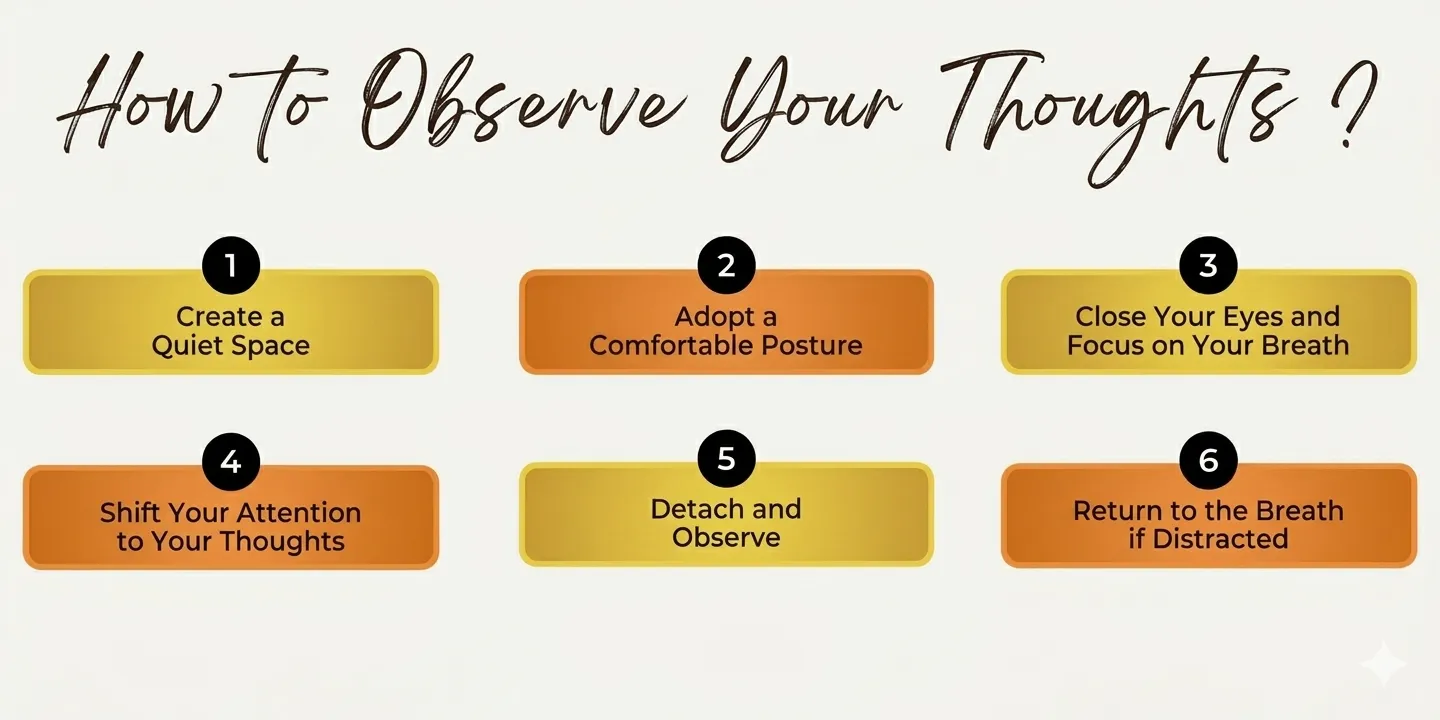
✅ Step 1: Detach Yourself The Observer’s Mindset
When faced with a challenging situation, imagine stepping outside of yourself. Visualize observing the situation as a third party.
✅ Step 2: Identify the Three Buckets The Observer’s Mindset
Write down or mentally categorize what is happening into facts, assumptions, and emotions.
✅ Step 3: Analyze Objectively The Observer’s Mindset
Ask yourself:
- Are my assumptions accurate?
- Are my emotions influencing my judgment?
- What are the actual facts?
✅ Step 4: Make a Rational Decision
Base your actions primarily on facts and reasonable assumptions, not emotional reactions.
5. Benefits of Developing the Observer’s Mindset
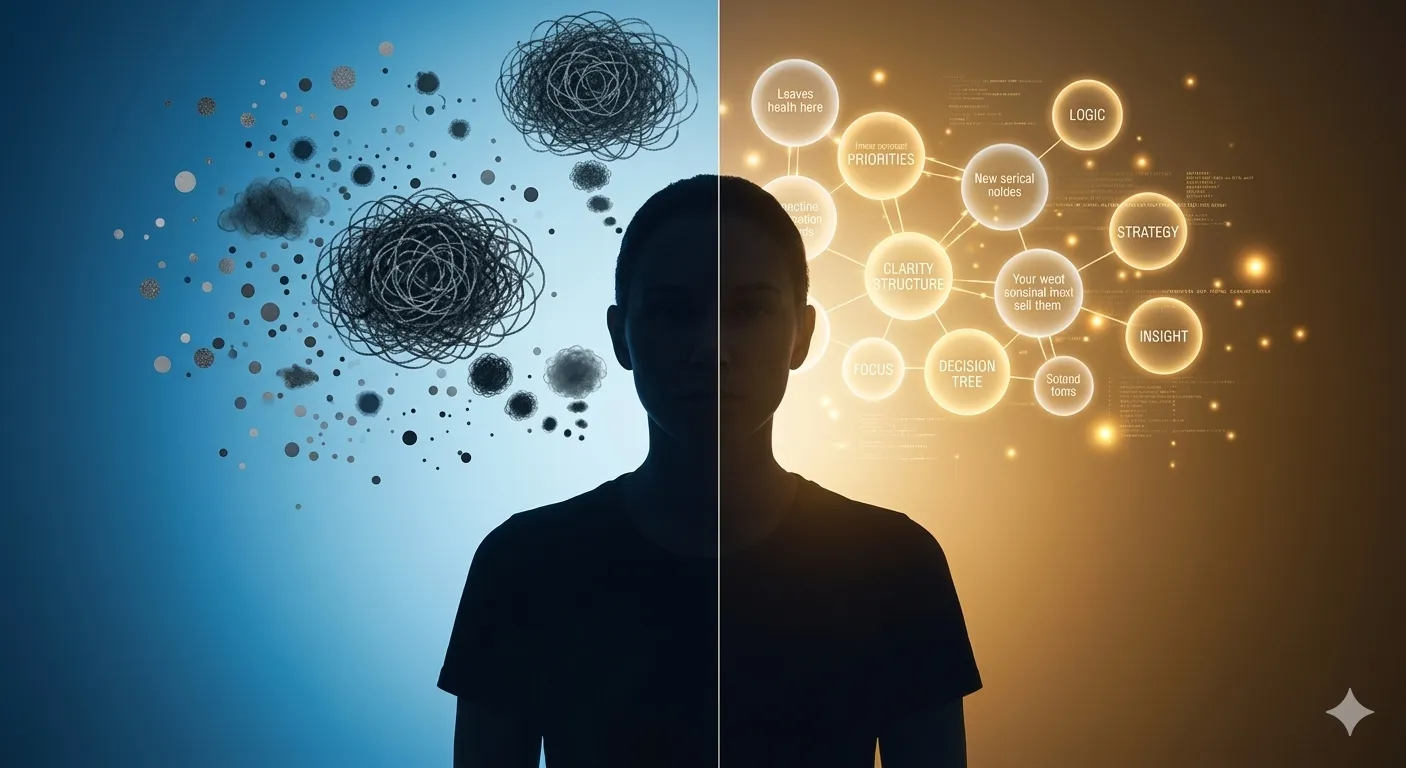
✔ Better Decision-Making
You make choices based on reality, not emotional impulses.
✔ Improved Emotional Control
You become less reactive and more composed in stressful situations.
✔ Clearer Thinking
Separating facts from assumptions helps reduce confusion and overthinking.
✔ Stronger Relationships
You avoid unnecessary conflict caused by misunderstandings or emotional reactions.
6. Common Mistakes to Avoid
- Treating assumptions as facts
- Letting emotions control your actions
- Reacting without reflection
- Ignoring the need for self-awareness
7. Real-Life Application
Imagine a workplace conflict where a colleague does not respond to your message. You might assume they are ignoring you (assumption) and feel frustrated (emotion). However, the fact may simply be that they are busy.
By applying the observer’s mindset, you avoid unnecessary conflict and respond more calmly and effectively.
8. Conclusion
The observer’s mindset is a simple yet powerful practice that can transform how you think, feel, and act. By separating facts, assumptions, and emotions, you gain clarity and make better decisions in both personal and professional life.
In a world full of distractions and emotional triggers, learning to observe rather than react is a valuable skill. With consistent practice, you can develop greater awareness, improve your judgment, and handle challenges with confidence and calmness.