What Is Overthinking? How to Stop Overthinking
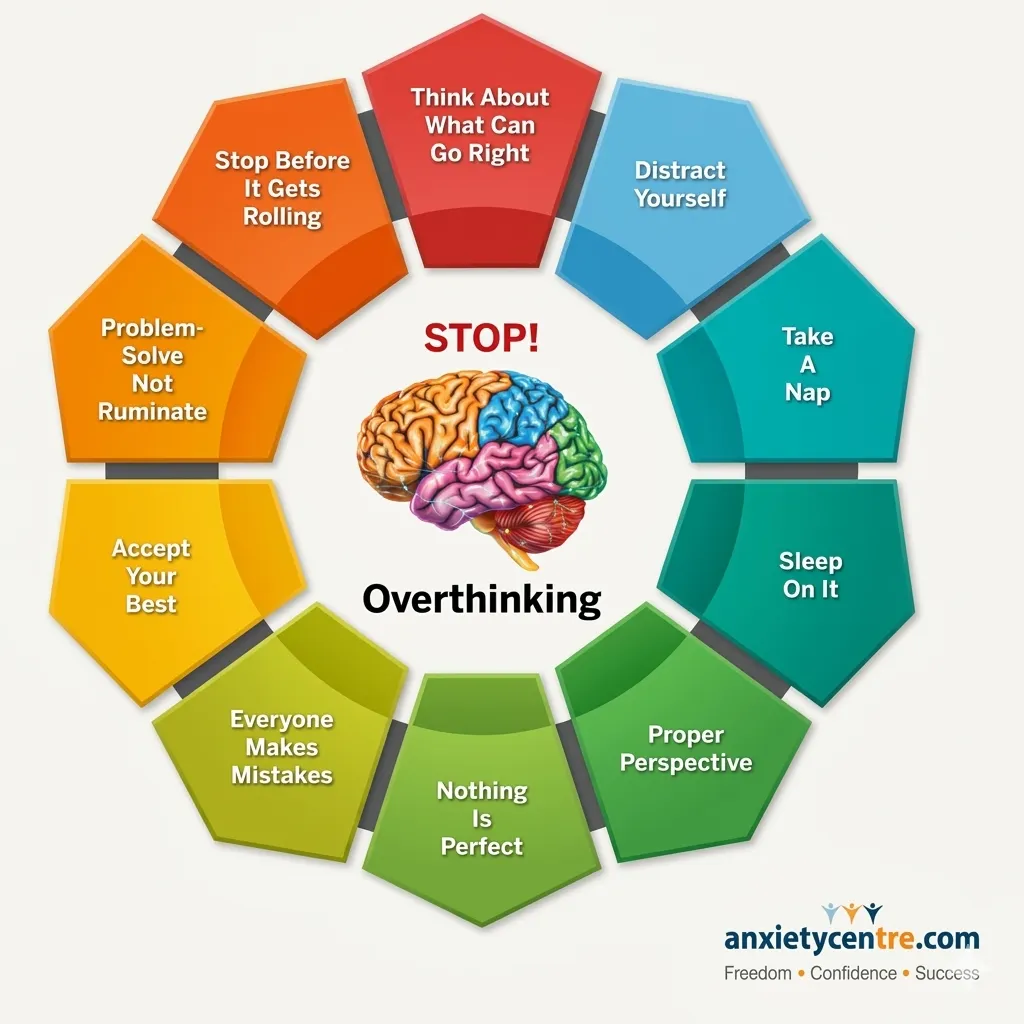
In today’s fast-paced world, many people experience overthinking without even realizing it. Overthinking happens when someone spends too much time thinking about problems, decisions, or past events. Instead of helping you solve issues, it often leads to stress, anxiety, and mental exhaustion.
Learning how to control overthinking is important for maintaining mental health, productivity, and overall happiness.
1. What Is Overthinking?
What Is Overthinking? How to Stop Overthinking
Overthinking is the habit of thinking about something excessively or repeatedly, often focusing on negative possibilities or past mistakes. It usually involves analyzing situations too deeply or worrying about things that may never happen.
For example, someone might:
- Replay a conversation in their mind many times
- Worry constantly about future problems
- Analyze every decision over and over again
Instead of finding solutions, overthinking often creates more confusion and emotional stress.
2. Common Signs of Overthinking
What Is Overthinking? How to Stop Overthinking
What Is Overthinking? How to Stop Overthinking
You might be overthinking if you:
- Constantly worry about the future
- Think repeatedly about past mistakes
- Struggle to make decisions
- Imagine the worst possible outcomes
- Feel mentally exhausted from too many thoughts
Recognizing these signs is the first step toward controlling overthinking.
1. Why Do People Overthink?
Overthinking can happen for many reasons, including:
2. Fear of Making Mistakes
What Is Overthinking? How to Stop Overthinking
Many people overthink because they are afraid of making the wrong decision. This fear causes them to analyze every detail too much.
3. Stress and Anxiety
High levels of stress can make the mind constantly search for problems or dangers.
4. Perfectionism
People who want everything to be perfect may overanalyze situations to avoid failure.
5. Lack of Confidence
When someone doubts their abilities, they may question every choice they make.
2. How to Stop Overthinking
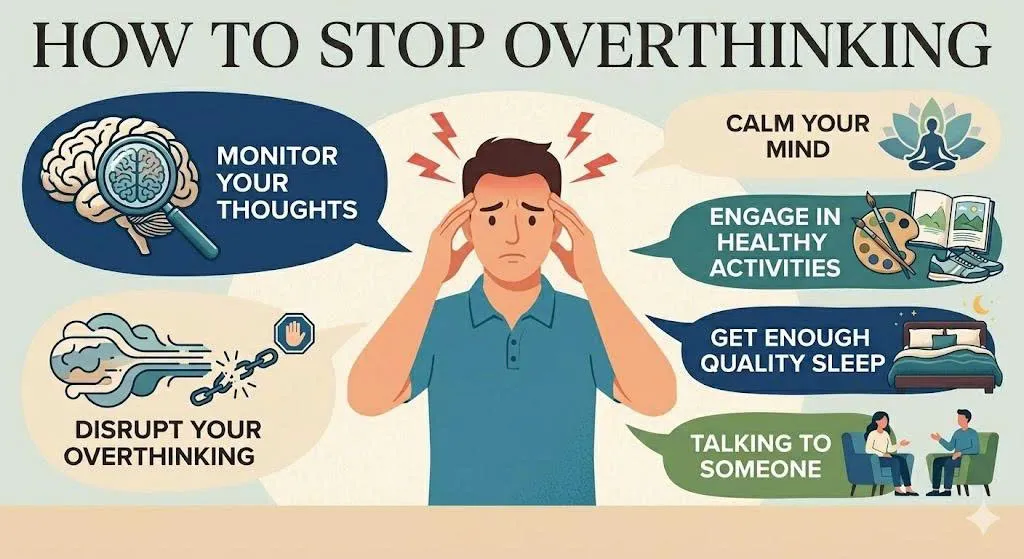
Fortunately, overthinking is a habit that can be managed. Here are some effective strategies to reduce it.
1. Focus on What You Can Control
What Is Overthinking? How to Stop Overthinking
Instead of worrying about everything, focus only on the things you can actually change. This helps reduce unnecessary stress.
2. Take Action
Overthinking often happens when we stay stuck in our thoughts. Taking small actions can help break the cycle and move forward.
3. Practice Mindfulness
Mindfulness techniques such as meditation, deep breathing, or focusing on the present moment can calm the mind and reduce excessive thinking.
4. Set Time Limits for Decisions
Give yourself a specific amount of time to think about a decision. After that, make a choice and move forward.
5. Challenge Negative Thoughts
What Is Overthinking? How to Stop Overthinking
Ask yourself questions like:
- Is this thought realistic?
- Am I worrying about something that may never happen?
This helps you replace negative thinking with more balanced thoughts.
6. Keep Your Mind Busy
Engaging in activities like exercise, hobbies, or social interactions can help shift your focus away from repetitive thoughts.
3. Conclusion
Overthinking is a common problem that can affect mental health and productivity. It occurs when people spend too much time analyzing situations or worrying about possibilities. However, by focusing on what you can control, taking action, practicing mindfulness, and challenging negative thoughts, you can learn how to manage overthinking effectively.
Remember, not every problem needs endless analysis—sometimes the best solution is simply to take action and move forward.