How to Stop Procrastinating: 7 Ways to Overcome Procrastination
Introduction
Procrastination is one of the biggest obstacles to productivity and success. We often delay important tasks, even when we know they matter. Instead of taking action, we choose comfort, distractions, or “doing it later.”
But the truth is—procrastination is not laziness. It’s a habit, and like any habit, it can be changed.
So, how can you stop procrastinating and take control of your time? Here are 7 proven ways to overcome procrastination effectively.
1. What Is Procrastination?
Procrastination is the act of delaying or postponing tasks, especially those that require effort or feel uncomfortable.
Common causes include:
- Fear of failure
- Lack of motivation
- Perfectionism
- Feeling overwhelmed
- Poor time management
Understanding why you procrastinate is the first step to fixing it.
2. 7 Ways to Overcome Procrastination
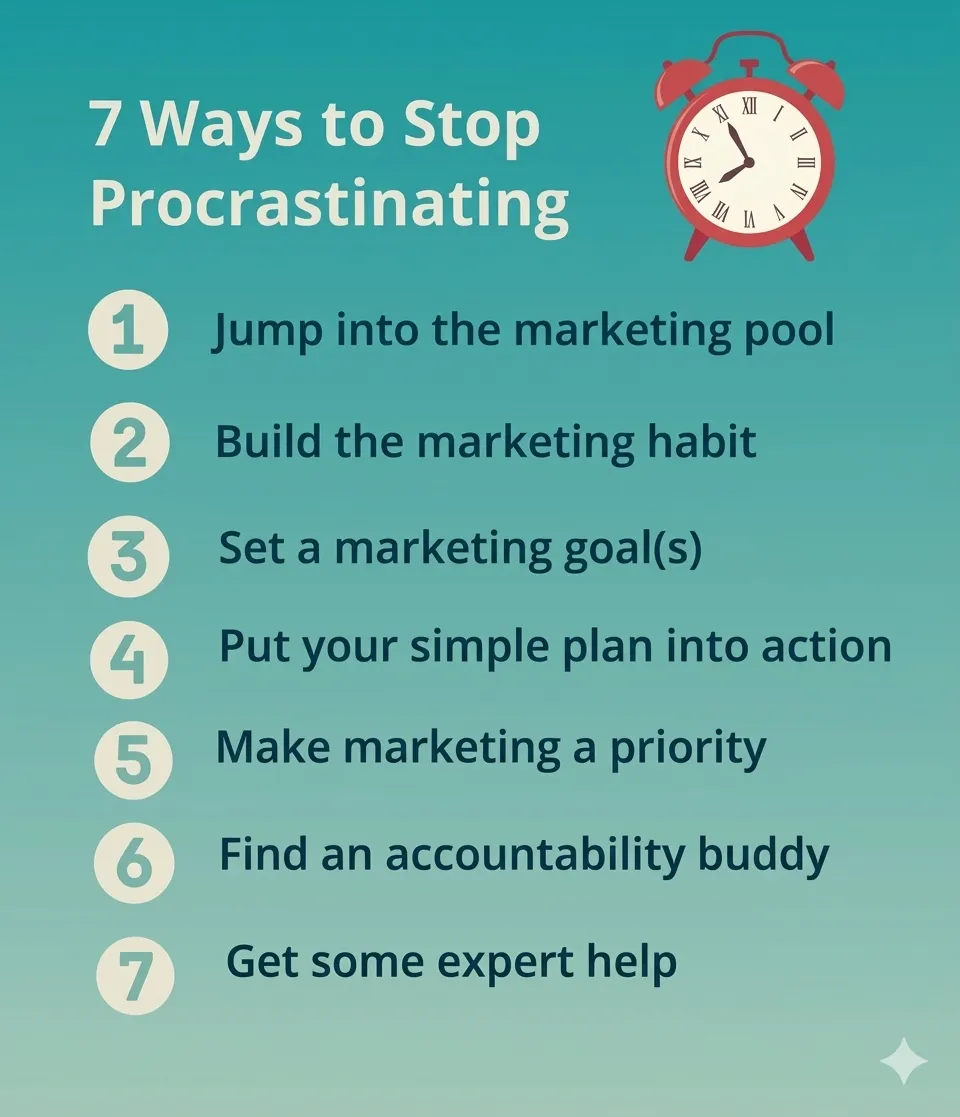
Overcoming procrastination requires simple but effective strategies that help you take action. First, break large tasks into smaller, manageable steps to avoid feeling overwhelmed. Setting clear deadlines keeps you focused and prevents delays. You can also use the 5-minute rule—just start working for a few minutes to build momentum. Eliminating distractions, such as turning off notifications, helps maintain concentration. Prioritizing important tasks ensures you focus on what truly matters. Rewarding yourself after completing tasks can boost motivation, while building a consistent routine makes it easier to stay productive every day.
1. How to Stop Procrastinating Use the 2-Minute Rule
If a task feels too big, start with just 2 minutes.
👉 Example: Instead of “study for 2 hours,” start by opening your notes and reading one page.
This reduces resistance and helps you get started.
2. Break Tasks Into Smaller Steps
How to Stop Procrastinating Large tasks create overwhelm, which leads to procrastination.
👉 Solution: Divide tasks into simple, actionable steps.
- Write outline
- Draft introduction
- Edit content
Small steps make progress easier.
3. Eliminate Distractions
How to Stop Procrastinating Your environment plays a huge role.
- Turn off notifications
- Put your phone away
- Use website blockers if needed
👉 Focus-friendly environment = better productivity.
4. Set Clear Deadlines
Without deadlines, tasks feel optional.
👉 Set specific time limits:
- “Finish this task by 3 PM”
- “Complete project by Friday”
Deadlines create urgency.
5. Apply the Pomodoro Technique
Work in focused time blocks:
- 25 minutes of work
- 5-minute break
Repeat 4 times, then take a longer break.
👉 This keeps your mind fresh and focused.
6. Stop Waiting for Motivation
Motivation is unreliable. Action creates motivation—not the other way around.
👉 Start first, and motivation will follow.
7. Reward Yourself
How to Stop Procrastinating Give yourself something to look forward to after completing tasks.
👉 Example:
- Watch a movie
- Eat your favorite snack
- Take a relaxing break
Rewards reinforce positive behavior.
3. Bonus Tips
- Track your daily progress
- Use a to-do list
- Work during your most productive hours
- Practice self-discipline
4. Common Mistakes to Avoid
How to Stop Procrastinating Common mistakes to avoid include setting unclear goals, poor time management, and procrastination, all of which reduce productivity and cause unnecessary stress. Many people also focus on unimportant tasks instead of priorities, fail to learn from past mistakes, or take on too much work at once. Additionally, a lack of consistency can make it difficult to achieve long-term success. Avoiding these mistakes helps improve efficiency and leads to better results.
- Trying to do everything at once
- Being too hard on yourself
- Waiting for the “perfect time”
- Ignoring small progress
5. Conclusion
How to Stop Procrastinating procrastination is something everyone struggles with—but it doesn’t have to control your life.
By starting small, staying consistent, and creating a focused environment, you can overcome procrastination and get more done every day.
Remember: action beats overthinking.