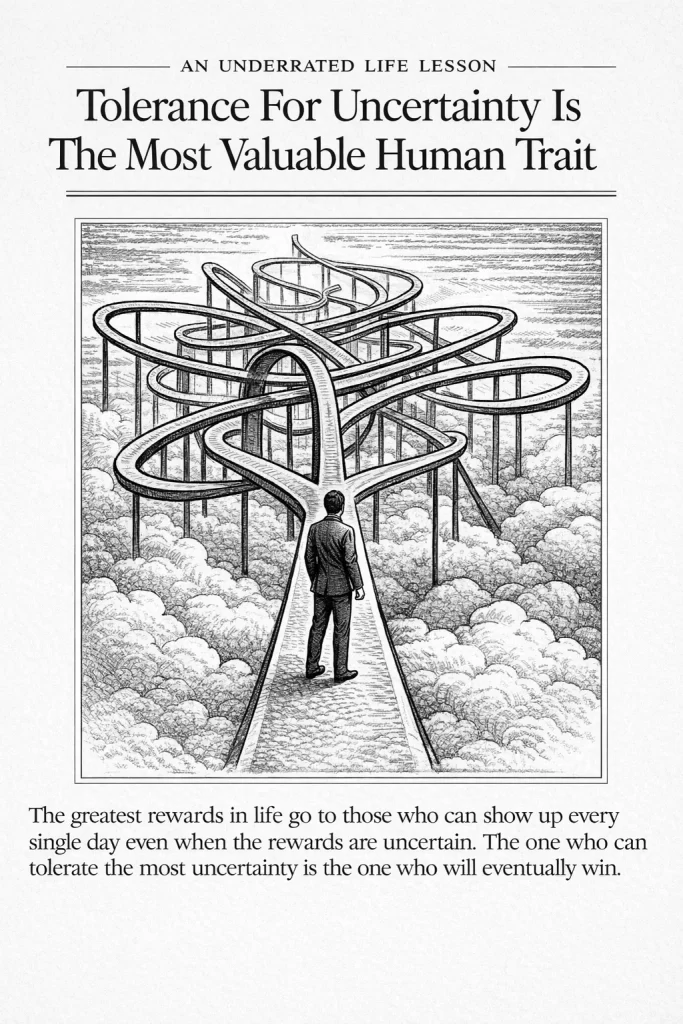
Tolerance for Uncertainty: A Critical Skill for Modern Life
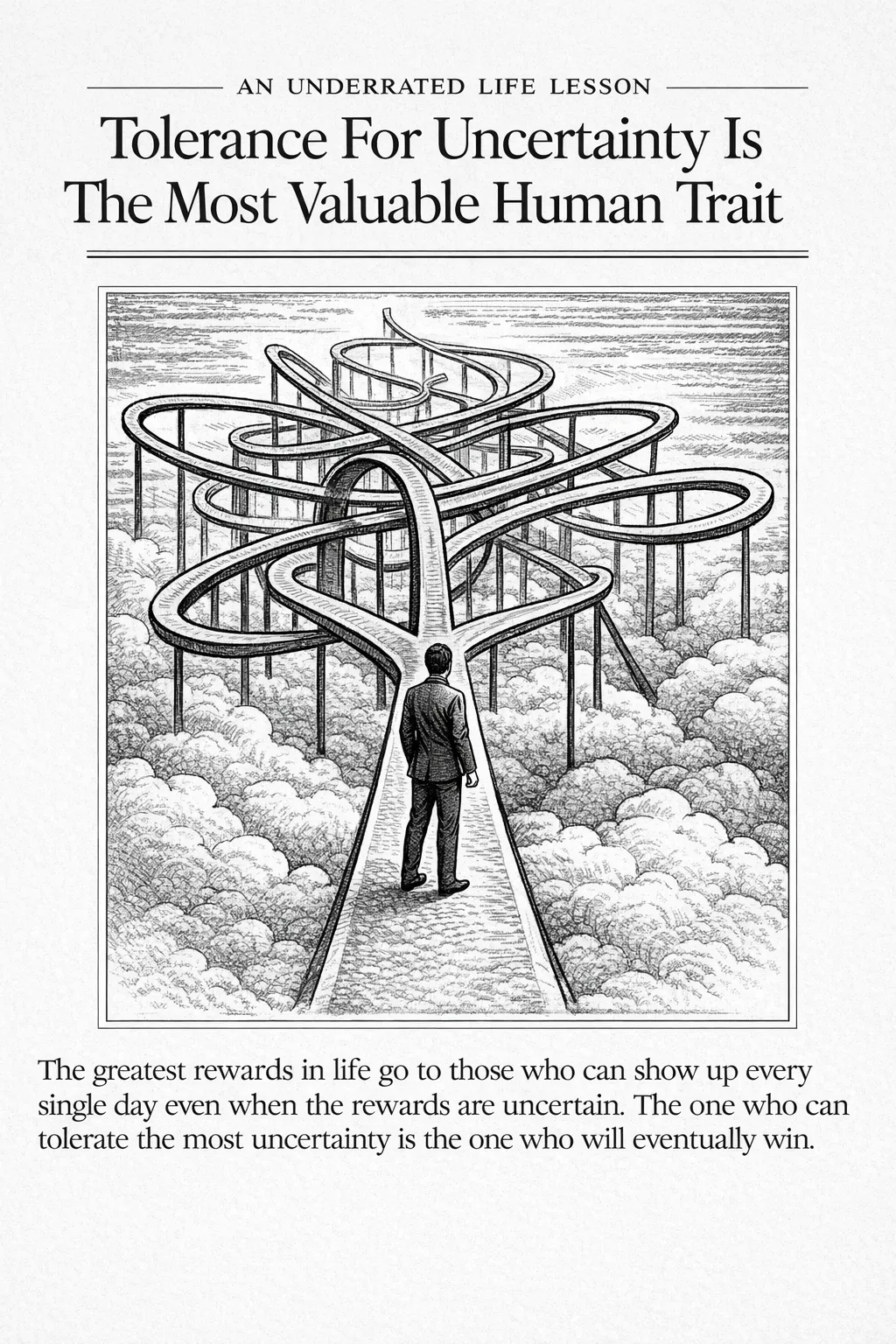
In today’s fast-changing world, uncertainty is everywhere. From career decisions to global events, we often face situations where outcomes are unclear. This is why developing a strong tolerance for uncertainty is essential for personal growth and success.
People who can handle uncertainty are more adaptable, resilient, and confident. Instead of feeling overwhelmed by the unknown, they learn to navigate it effectively and make progress despite not having all the answers.
1. What Is Tolerance for Uncertainty?
Tolerance for uncertainty is the ability to remain calm, focused, and functional in situations where the future is unclear or unpredictable. It means accepting that you cannot control everything and still moving forward with confidence.
This skill is closely related to emotional intelligence, resilience, and mental strength. It helps you manage anxiety and make decisions even when you lack complete information.
2. Why Is Tolerance for Uncertainty Important?
Tolerance for uncertainty is important because life and work often involve unpredictable situations and unexpected challenges. Being comfortable with uncertainty helps you stay calm, make better decisions under pressure, and adapt quickly to change. It also fosters resilience, creativity, and the ability to seize opportunities even in ambiguous or risky circumstances.
2.1 Reduce Anxiety and Stress
Accepting uncertainty helps you avoid overthinking and unnecessary worry.
2.2 Improve Decision-Making
You can make better choices even without perfect information.
2.3 Increase Adaptability
You become more flexible and open to change.
2.4 Boost Confidence
Facing uncertainty builds self-trust and inner strength.
3. Common Reactions to Uncertainty
Many people struggle with uncertainty and respond in unhelpful ways, such as:
- Overthinking every possible outcome
- Avoiding decisions
- Seeking constant reassurance
- Fearing failure or loss of control
Recognizing these patterns is the first step toward improving your ability to handle uncertainty.
4. How to Improve Tolerance for Uncertainty
4.1 Accept What You Cannot Control
Focus on what you can influence instead of worrying about unknown outcomes.
4.2 Take Action Anyway
Do not wait for perfect clarity—progress often requires uncertainty.
4.3 Reframe Your Thinking
View uncertainty as an opportunity for growth rather than a threat.
4.4 Practice Mindfulness
Stay present instead of worrying about the future.
4.5 Build Emotional Resilience
Strengthen your ability to recover from setbacks.
5. Practical Strategies for Daily Life
- Break big decisions into smaller steps
- Set flexible goals instead of rigid plans
- Limit information overload
- Focus on progress, not perfection
- Practice deep breathing and relaxation techniques
6. Benefits of Embracing Uncertainty

When you develop a high tolerance for uncertainty, you unlock new opportunities. You become more willing to take risks, explore new ideas, and step outside your comfort zone.
In your career, this skill helps you adapt to change, innovate, and handle challenges effectively. In your personal life, it reduces stress and improves your overall well-being.
7. Common Mistakes to Avoid
- Trying to control everything
- Avoiding risks completely
- Overanalyzing situations
- Letting fear stop you from taking action
- Expecting certainty in every decision
8. Real-Life Example
Imagine starting a new job or business. You may not know if you will succeed, but waiting for certainty could mean missing valuable opportunities. People with high tolerance for uncertainty take action, learn from experience, and adjust along the way.
9. Conclusion
Developing tolerance for uncertainty is essential for thriving in today’s unpredictable world. It allows you to stay calm, make better decisions, and move forward despite not having all the answers.
Instead of fearing the unknown, learn to embrace it. Growth, success, and innovation often come from stepping into uncertainty with confidence and resilience.