Goal-Setting Skills: A Complete Guide to Achieving Success

In today’s fast-paced world, developing strong goal-setting skills is essential for achieving success in both personal and professional life. Without clear goals, it is easy to lose direction and motivation. Setting goals helps you focus your efforts, measure progress, and stay committed to your ambitions.
Whether you want to improve your career, education, or personal life, mastering goal-setting skills can significantly increase your chances of success.
1. What Are Goal-Setting Skills?
Goal-setting skills refer to the ability to define clear, specific, and achievable objectives and create a plan to accomplish them. These skills involve planning, time management, self-discipline, and motivation.
Effective goal-setting is not just about writing down what you want—it is about creating a structured roadmap to reach your desired outcomes.
2. Why Are Goal-Setting Skills Important?
Goal-setting skills are important because they give you clear direction and help you stay focused on what you want to achieve. They increase motivation, improve time management, and make it easier to measure progress. With strong goal-setting skills, you can turn your plans into actionable steps and achieve both short-term and long-term success.
2.1. Provide Clear Direction
Goals give you a sense of purpose and help you focus on what truly matters.
2.2. Increase Motivation
Having clear objectives keeps you motivated and committed.
2.3. Improve Time Management
You can prioritize tasks and use your time more effectively.
2.4. Measure Progress
Goals allow you to track your achievements and make improvements.
3. Key Goal-Setting Skills You Need
Key goal-setting skills include the ability to set clear and specific objectives, plan actionable steps, and manage time effectively. You should also develop self-discipline, progress tracking, and adaptability to stay on track and adjust goals when needed. These skills help you stay focused, motivated, and achieve consistent results.
3.1. Planning Skills
Creating a clear plan helps you break big goals into smaller, manageable tasks.
3.2. Time Management
Managing your time effectively ensures consistent progress.
3.3. Self-Discipline
Staying committed to your goals requires strong discipline.
3.4. Focus and Prioritization
Identifying important tasks helps you avoid distractions.
3.5. Adaptability
Being flexible allows you to adjust your goals when needed.
4. The SMART Goal Framework
One of the most effective ways to set goals is by using the SMART method:
- Specific – Clearly define what you want to achieve
- Measurable – Track your progress with measurable results
- Achievable – Set realistic and attainable goals
- Relevant – Ensure your goals align with your priorities
- Time-bound – Set a deadline to stay focused
Using this framework helps you create clear and actionable goals.
5. How to Improve Goal-Setting Skills
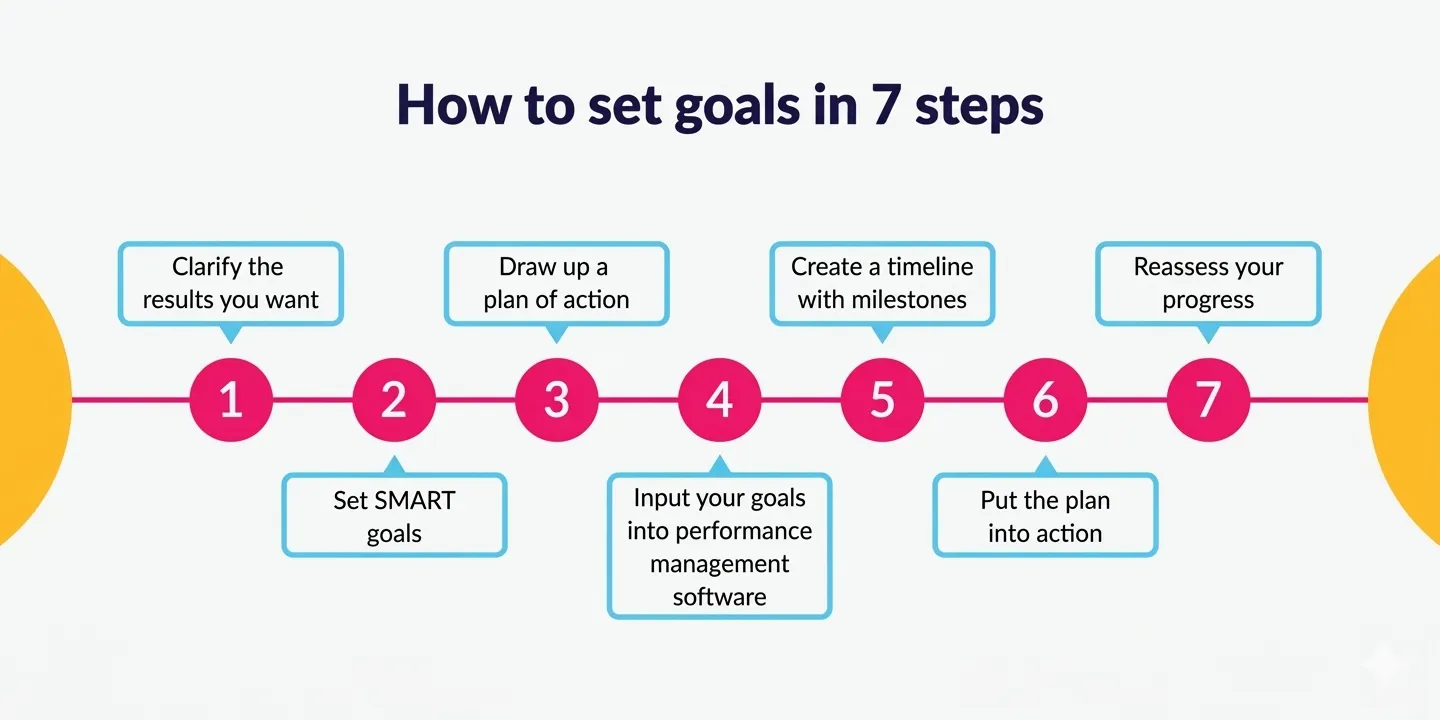
To improve goal-setting skills, start by setting clear, specific, and realistic goals using methods like SMART. Break big goals into smaller, actionable steps and create a timeline to stay on track. Regularly review your progress, stay disciplined, and adjust your plans when needed to achieve better results.
5.1. Write Down Your Goals
Putting your goals on paper makes them more concrete and clear.
5.2. Break Goals into Steps
Divide large goals into smaller tasks to make them manageable.
5.3. Track Your Progress
Regularly review your progress and adjust your plan if needed.
5.4. Stay Consistent
Consistency is key to achieving long-term goals.
5.5. Learn from Failures
Mistakes are part of the process—use them to improve.
6. Tips for Achieving Your Goals
To achieve your goals, stay focused and break them into small, manageable steps. Maintain consistency, track your progress regularly, and stay motivated even when facing challenges. Be flexible, learn from setbacks, and keep improving your approach to reach your desired outcomes.
- Stay focused on your priorities
- Avoid procrastination
- Celebrate small achievements
- Stay positive and motivated
- Surround yourself with supportive people
7. Common Mistakes to Avoid
- Setting unrealistic goals
- Lack of clear planning
- Giving up too early
- Not tracking progress
- Ignoring feedback
8. Conclusion
Developing strong goal-setting skills is essential for achieving success in any area of life. By setting clear goals, creating a structured plan, and staying committed, you can turn your dreams into reality. Remember, success does not happen overnight—it requires patience, discipline, and continuous effort.