Hard Skills and Soft Skills Development: A Complete Guide
In today’s competitive job market, developing both hard skills and soft skills is essential for career growth and long-term success. While technical knowledge helps you perform specific tasks, soft skills enable you to work effectively with others and adapt to changing environments.
To succeed in any profession, you need a balance between these two types of skills.
1. What Are Hard Skills and Soft Skills?
Hard skills are technical abilities that can be learned through education, training, or experience. These include skills like programming, graphic design, data analysis, and language proficiency.
Soft skills, on the other hand, are personal and interpersonal abilities that influence how you interact with others. These include communication, teamwork, problem-solving, and emotional intelligence.
Both types of skills are equally important for professional success.
2. Why Are Hard Skills and Soft Skills Important?
Hard skills and soft skills are important because they complement each other and are both essential for success. Hard skills provide the technical knowledge and expertise needed to perform specific tasks, while soft skills such as communication, teamwork, and problem-solving help you work effectively with others. Together, they improve your performance, increase career opportunities, and help you adapt in a competitive and changing work environment.
2.1. Improve Job Performance Hard Skills and Soft Skills Development
Hard skills help you complete tasks efficiently, while soft skills improve collaboration.
2.2. Increase Career Opportunities Hard Skills and Soft Skills Development
Employers look for candidates who have both technical expertise and strong interpersonal skills.
2.3. Enhance Adaptability Hard Skills and Soft Skills Development
Soft skills help you adjust to new challenges and work environments.
2.4. Build Strong Relationships Hard Skills and Soft Skills Development
Good communication and teamwork skills improve workplace relationships.
3. Key Hard Skills to Develop
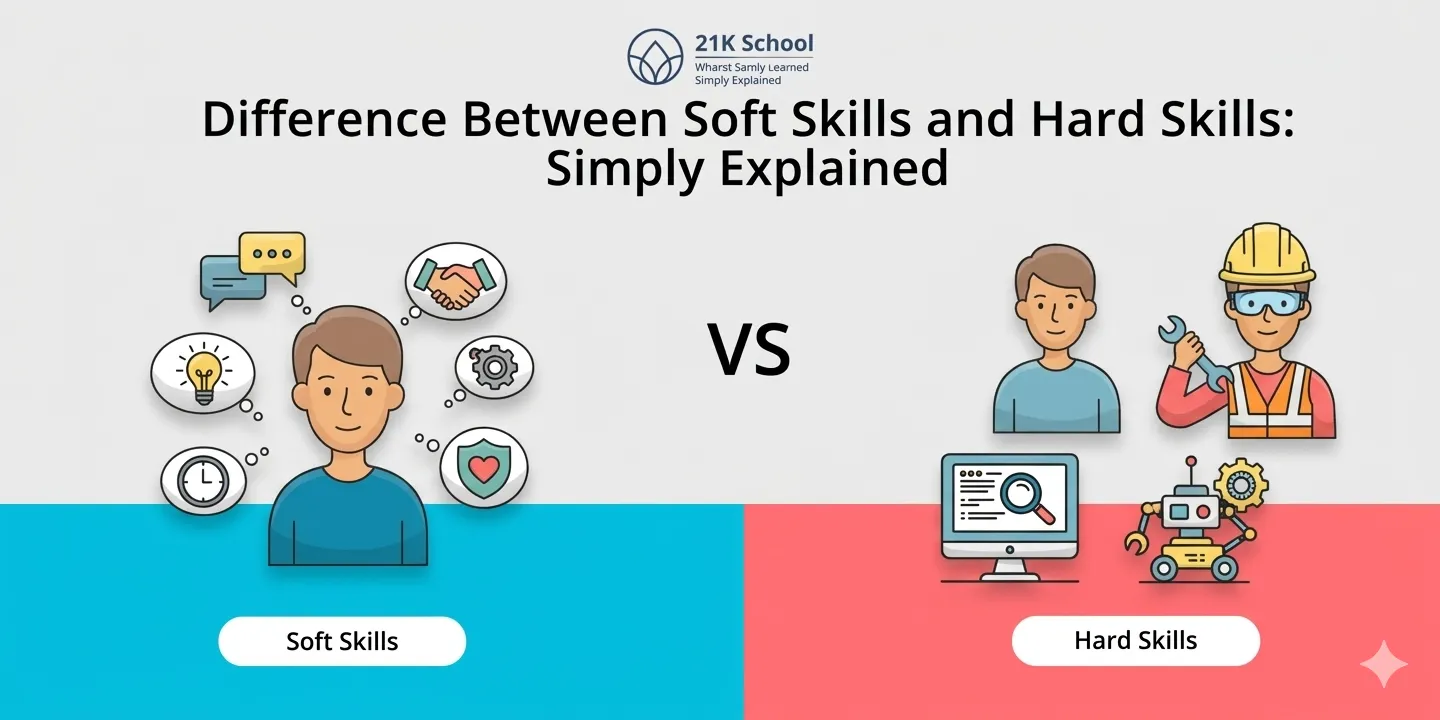
Key hard skills to develop include technical and job-specific abilities such as computer literacy, data analysis, and proficiency in tools like Microsoft Office or specialized software. Depending on your field, skills like coding, graphic design, digital marketing, or accounting are also highly valuable. These skills help you perform tasks efficiently, increase productivity, and stay competitive in the job market.
3.1. Technical Skills Hard Skills and Soft Skills Development
These are job-specific skills such as coding, design, or engineering.
3.2. Digital Skills Hard Skills and Soft Skills Development
Knowledge of tools like Microsoft Office, data analytics, or digital marketing is highly valuable.
3.3. Language Skills Hard Skills and Soft Skills Development
Being fluent in multiple languages can open global opportunities.
4. Key Soft Skills to Develop
Key soft skills to develop include communication, teamwork, and problem-solving, which help you work effectively with others. You should also focus on adaptability, time management, and emotional intelligence to handle challenges and build strong relationships. These skills improve your performance, enhance collaboration, and support long-term career success.
4.1. Communication Skills
Clear communication helps you express ideas effectively.
4.2. Teamwork Skills
Working well with others is essential in any workplace.
4.3. Problem-Solving Skills
The ability to handle challenges is highly valued by employers.
4.4. Time Management
Managing time efficiently increases productivity.
4.5. Emotional Intelligence
Understanding emotions helps build better relationships.
5. How to Develop Hard Skills and Soft Skills
To develop hard skills, focus on learning through courses, training programs, and hands-on practice using relevant tools and technologies. For soft skills, improve through real-life experiences such as teamwork, communication, and problem-solving in daily activities. Seek feedback, stay consistent, and continuously learn to strengthen both types of skills for long-term success.
5.1. Take Courses and Training
Enroll in online or offline courses to improve technical skills.
5.2. Practice Regularly
Apply what you learn to gain real experience.
5.3. Seek Feedback
Feedback helps you identify areas for improvement.
5.4. Work in Teams
Collaborating with others improves your soft skills.
5.5. Stay Updated
Keep learning new trends and technologies in your field.
6. Tips for Balanced Skill Development
- Focus on both technical and interpersonal skills
- Set clear learning goals
- Be consistent in practice
- Learn from experienced professionals
- Stay open to feedback and improvement
7. Common Mistakes to Avoid
- Focusing only on hard skills and ignoring soft skills
- Lack of continuous learning
- Avoiding teamwork or communication
- Not applying skills in real situations
- Ignoring feedback
8. Conclusion
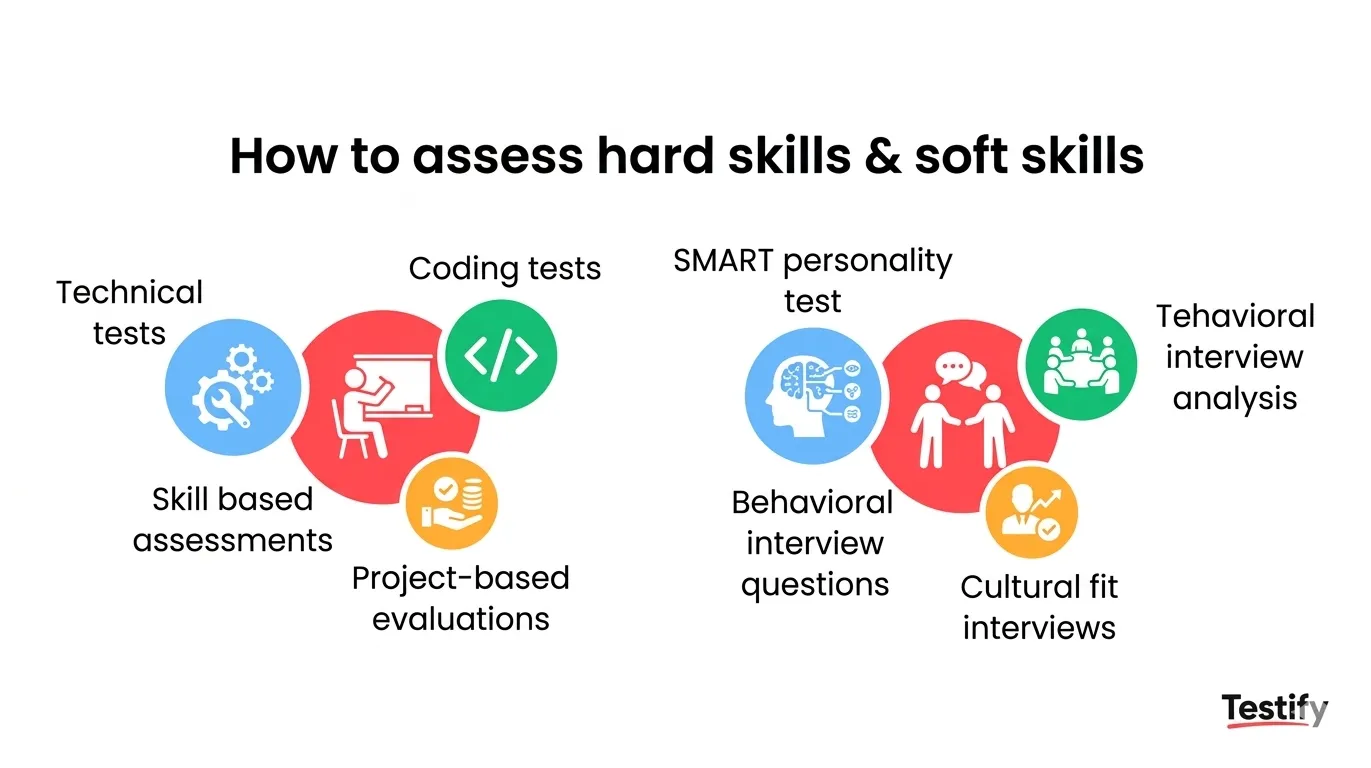
Developing both hard skills and soft skills is essential for achieving success in today’s workplace. While hard skills help you perform tasks effectively, soft skills enable you to communicate, collaborate, and adapt. By continuously improving both areas, you can enhance your performance, increase career opportunities, and achieve long-term success.