Team Leader Skills: A Complete Guide to Effective Leadershi
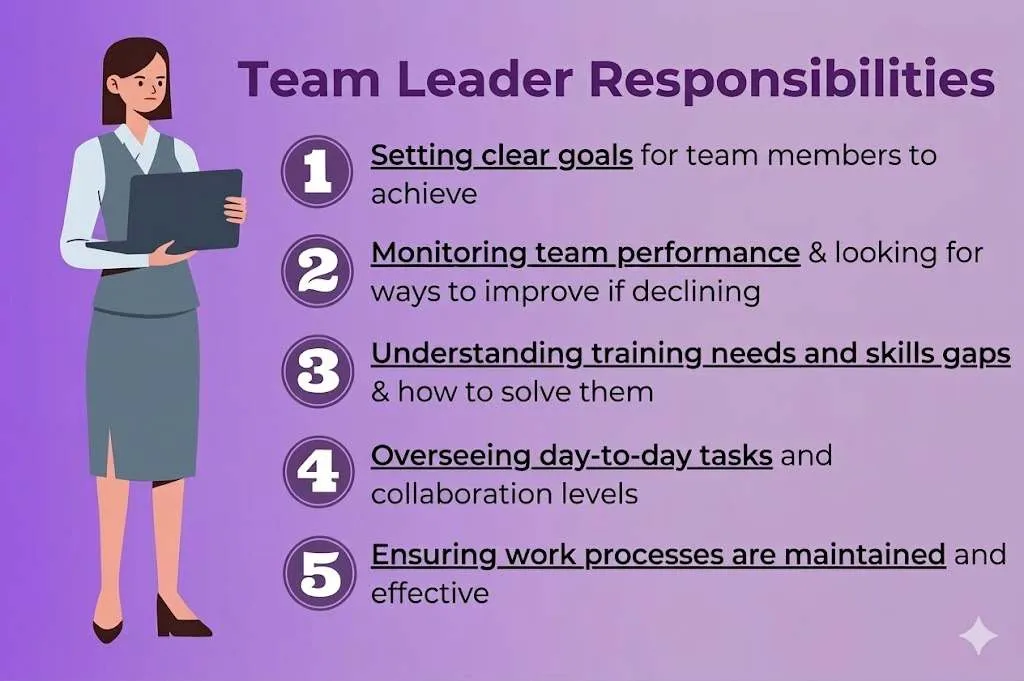
In today’s dynamic work environment, team leader skills are essential for managing teams, improving performance, and achieving organizational goals. A good team leader not only assigns tasks but also inspires, supports, and guides team members toward success.
Whether you are newly promoted or aiming to become a leader, developing the right skills will help you lead with confidence and effectiveness.
1. What Are Team Leader Skills?
Team leader skills refer to the abilities required to guide, manage, and motivate a group of people to achieve a common goal. These skills include communication, decision-making, problem-solving, and emotional intelligence.
A successful team leader balances both task management and people management to ensure productivity and team satisfaction.
2. Why Are Team Leader Skills Important?
Team leader skills are important because they help guide a group toward shared goals, boost collaboration, and maintain motivation. Strong leadership ensures effective communication, resolves conflicts, and drives team productivity and success.
2.1. Improve Team Performance
Strong leadership ensures that tasks are completed efficiently and goals are achieved.
2.2. Boost Team Motivation
A good leader encourages and inspires team members to perform at their best.
2.3. Enhance Communication
Leaders act as a bridge between management and team members.
2.4. Build a Positive Work Environment
Effective leadership creates trust, collaboration, and a healthy workplace culture.
3. Essential Team Leader Skills You Need

Essential team leader skills include effective communication, decision-making, problem-solving, and the ability to motivate and inspire team members. Additionally, skills like delegation, conflict resolution, and adaptability help ensure the team works efficiently and achieves its goals.
3.1. Communication Skills
Clear communication helps avoid misunderstandings and keeps everyone aligned.
3.2. Decision-Making Skills
Leaders must make quick and effective decisions based on available information.
3.3. Problem-Solving Skills
Handling challenges efficiently is a key responsibility of a team leader.
3.4. Emotional Intelligence
Understanding and managing emotions helps build strong relationships.
3.5. Delegation Skills
Assigning tasks based on team members’ strengths improves productivity.
3.6. Time Management
Managing deadlines and priorities ensures smooth workflow.
4. How to Improve Your Team Leader Skills
To improve your team leader skills, focus on active listening, clear communication, and providing constructive feedback. Strengthen your problem-solving, decision-making, and conflict-resolution abilities, while learning to inspire and support your team consistently.
4.1. Learn from Experience
Take on leadership roles in projects to gain practical experience.
4.2. Ask for Feedback
Feedback from your team helps identify areas for improvement.
4.3. Develop a Growth Mindset
Be open to learning and adapting to new situations.
4.4. Build Trust
Be honest, supportive, and consistent in your actions.
4.5. Invest in Training
Attend leadership courses or workshops to enhance your skills.
5. Tips for Becoming an Effective Team Leader
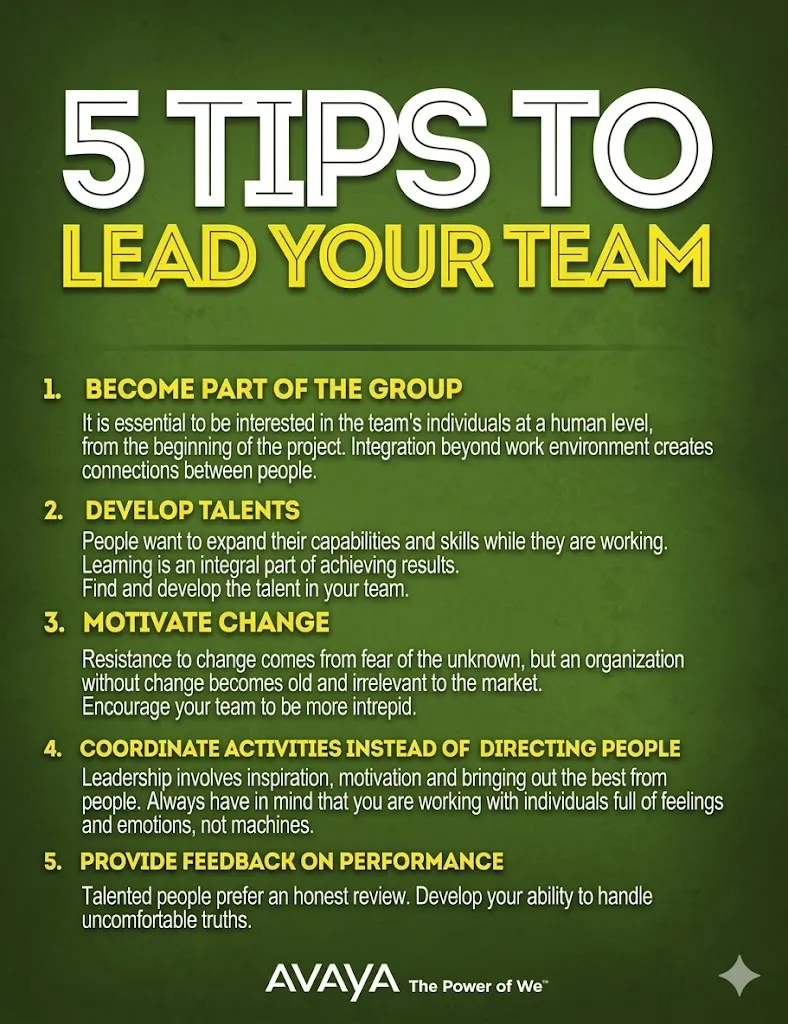
To become an effective team leader, communicate clearly, set achievable goals, and lead by example. Encourage collaboration, provide constructive feedback, and support your team’s growth while resolving conflicts fairly and decisively.
- Listen actively to your team members
- Encourage collaboration and teamwork
- Set clear goals and expectations
- Recognize and reward achievements
- Stay calm under pressure
6. Conclusion
In conclusion, developing strong team leader skills is crucial for achieving both personal and organizational success. Effective team leaders not only communicate clearly and make informed decisions, but they also motivate, support, and guide their team members toward shared goals. By mastering problem-solving, conflict resolution, and strategic planning, leaders can foster a positive work environment, build trust, and encourage collaboration. Continuously improving these skills ensures that leaders remain adaptable in the face of challenges, inspire high performance, and drive their teams to achieve both short-term objectives and long-term growth. Ultimately, strong leadership is the key to transforming potential into results and creating a team that thrives together.