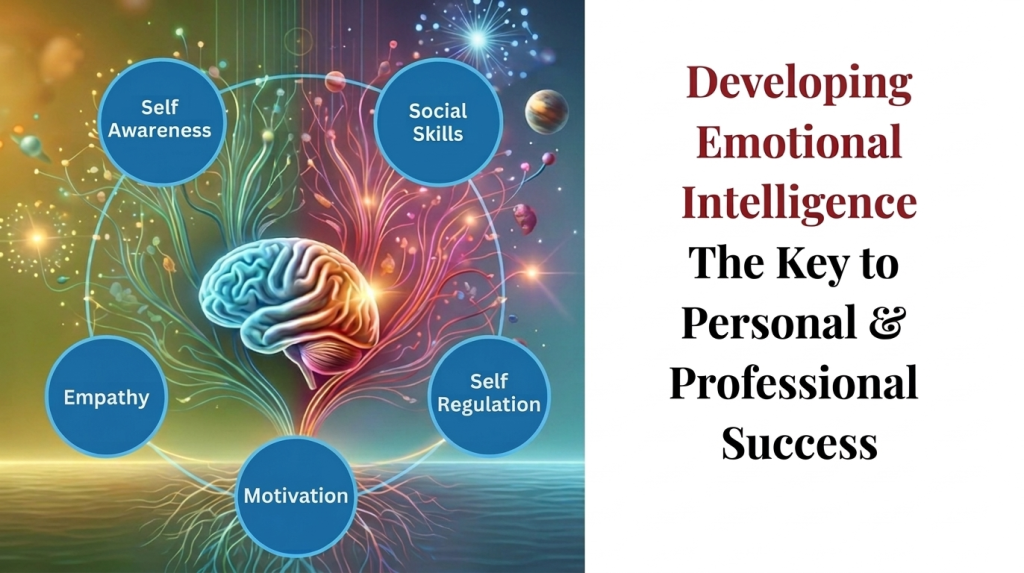
Emotional Intelligence (EQ): The Key to Personal and Professional Growth
In today’s fast-paced and highly connected world, emotional intelligence (EQ) has become a crucial skill for success. While intelligence quotient (IQ) measures cognitive abilities, EQ focuses on how well you understand and manage emotions—both your own and others’. Developing emotional intelligence can help you build stronger relationships, reduce stress, and make better decisions in both personal and professional life.
1. What Is Emotional Intelligence?
Emotional intelligence (EQ) is the ability to recognize, understand, and control emotions while also being aware of the emotions of others. It plays a vital role in communication, teamwork, and leadership.
Unlike IQ, which remains relatively stable, EQ can be improved over time through practice and self-awareness. This makes it one of the most valuable skills you can develop.
2. Why Is Emotional Intelligence Important?
Emotional intelligence is important because it helps you understand and manage your own emotions while also recognizing the feelings of others. This skill improves communication, strengthens relationships, and supports better decision-making. It also helps you handle stress, resolve conflicts effectively, and succeed in both personal and professional environments.
2.1. Improve Relationships Emotional Intelligence (EQ)
People with high EQ can build trust and maintain healthy relationships by understanding others’ emotions.
2.2. Enhance Communication Emotional Intelligence (EQ)
Being aware of emotions helps you express ideas clearly and listen effectively.
2.3. Manage Stress Better
Emotional control allows you to stay calm and handle pressure more efficiently.
2.4. Boost Career Success
Employers value individuals who can collaborate, lead, and adapt to different situations.
3. Key Components of Emotional Intelligence
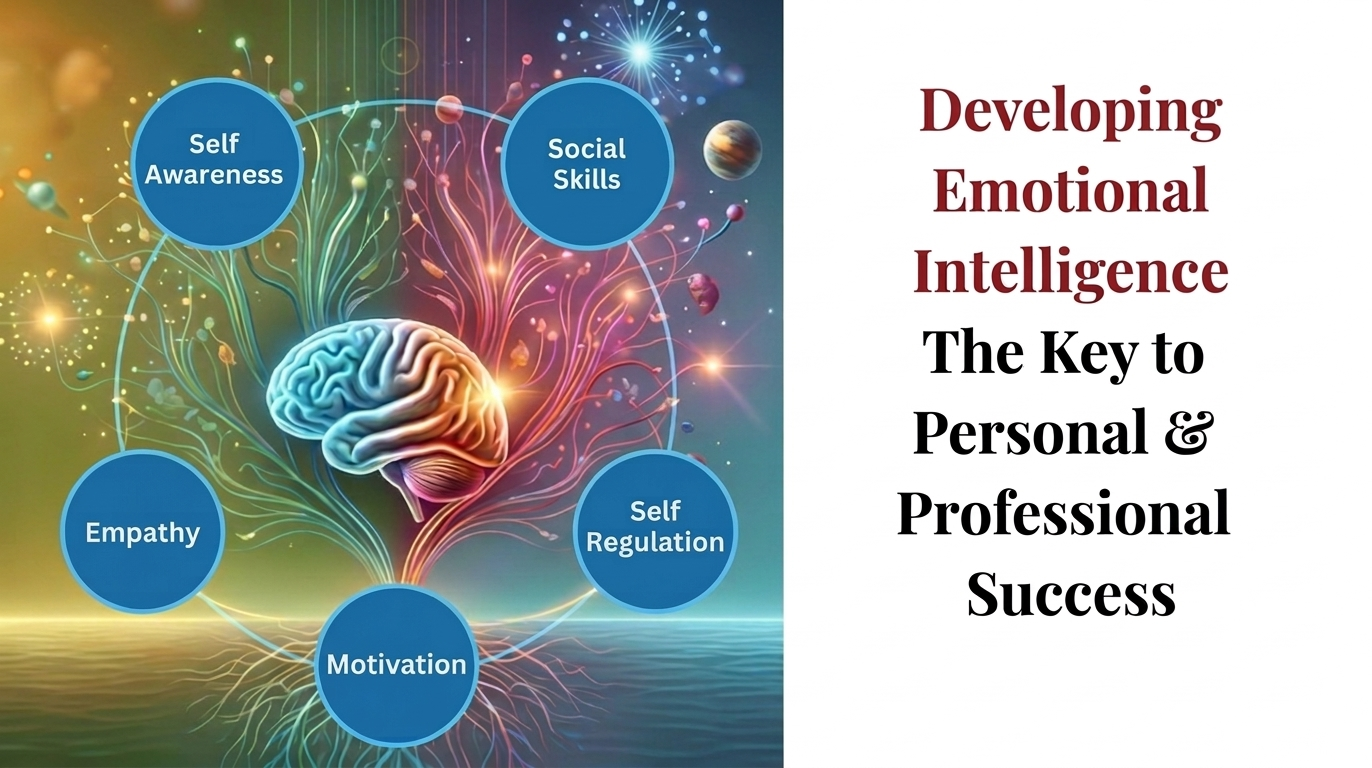
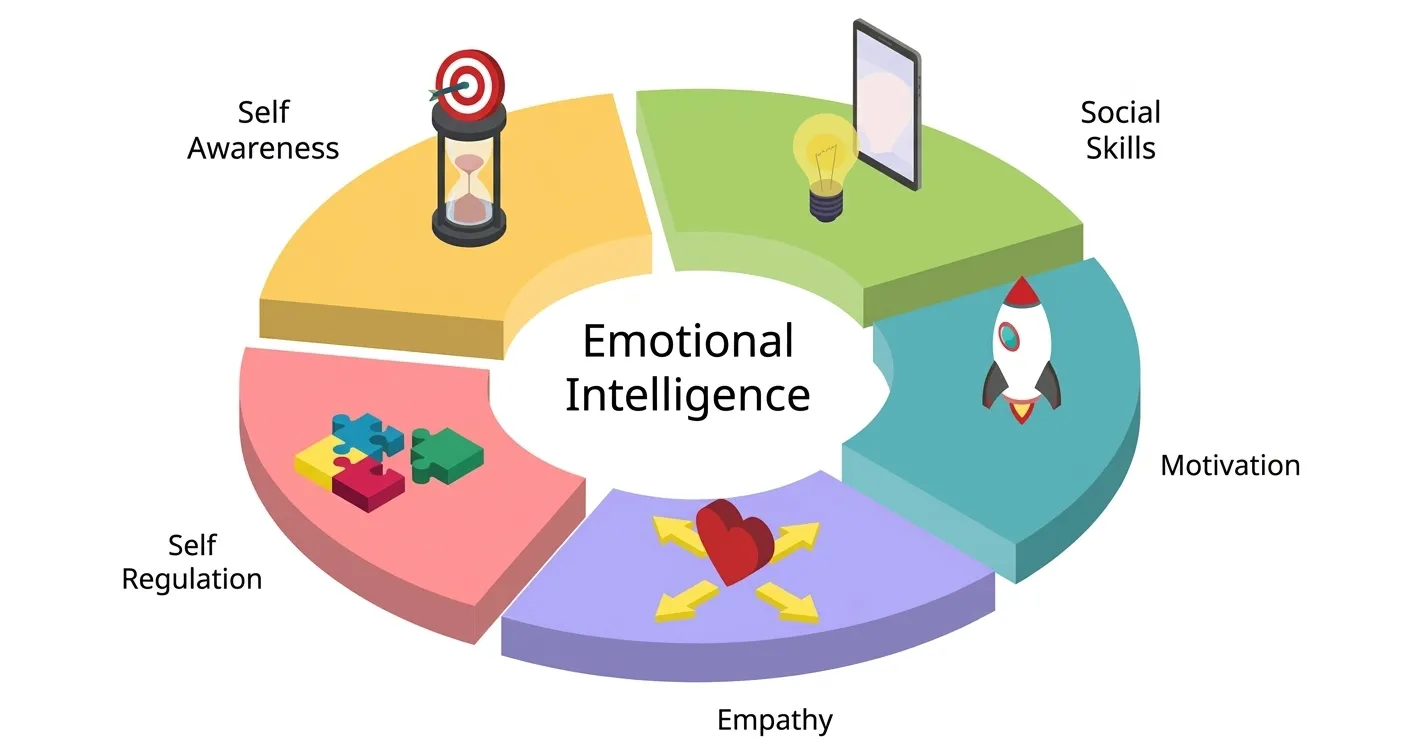
Key components of emotional intelligence include self-awareness, self-regulation, motivation, empathy, and social skills. Self-awareness helps you understand your emotions, while self-regulation allows you to manage them effectively. Motivation drives you to achieve goals, empathy helps you understand others, and strong social skills improve communication and relationships.
3.1. Self-Awareness Emotional Intelligence (EQ)
This is the ability to recognize your own emotions and understand how they affect your behavior.
3.2. Self-Regulation Emotional Intelligence (EQ)
Managing your emotions helps you stay in control and avoid impulsive reactions.
3.3. Motivation Emotional Intelligence (EQ)
Emotionally intelligent individuals are often self-motivated and goal-oriented.
3.4. Empathy
Understanding the feelings of others allows you to connect and communicate better.
3.5. Social Skills
Strong interpersonal skills help you build relationships and work effectively with others.
4. How to Improve Emotional Intelligence
To improve emotional intelligence, practice self-awareness by reflecting on your thoughts and emotions regularly. Learn to manage your reactions, stay calm under pressure, and develop empathy by listening and understanding others. Building strong communication skills and seeking feedback can also help you improve your emotional intelligence over time.
4.1. Practice Self-Reflection
Take time to think about your emotions and how you react in different situations.
4.2. Control Emotional Responses
Pause before reacting, especially in stressful or challenging moments.
4.3. Improve Listening Skills
Focus on what others are saying and show genuine interest in their perspectives.
4.4. Develop Empathy
Try to understand situations from other people’s point of view.
4.5. Build Positive Habits
Practice gratitude, mindfulness, and positive thinking regularly.
5. Tips for Developing EQ in Daily Life
- Stay calm under pressure
- Think before you speak or act
- Accept feedback and learn from it
- Be open-minded and respectful
- Practice patience and understanding
6. Common Mistakes to Avoid
- Ignoring your emotions
- Reacting impulsively
- Lack of empathy toward others
- Poor communication habits
- Avoiding self-improvement
7. Conclusion
Developing strong emotional intelligence (EQ) is essential for achieving success in today’s world. It helps you understand yourself, build meaningful relationships, and handle challenges effectively. By practicing self-awareness, empathy, and emotional control, you can improve your overall well-being and become more successful in both your personal and professional life.