Self-Discovery Skills: A Complete Guide to Personal Growth
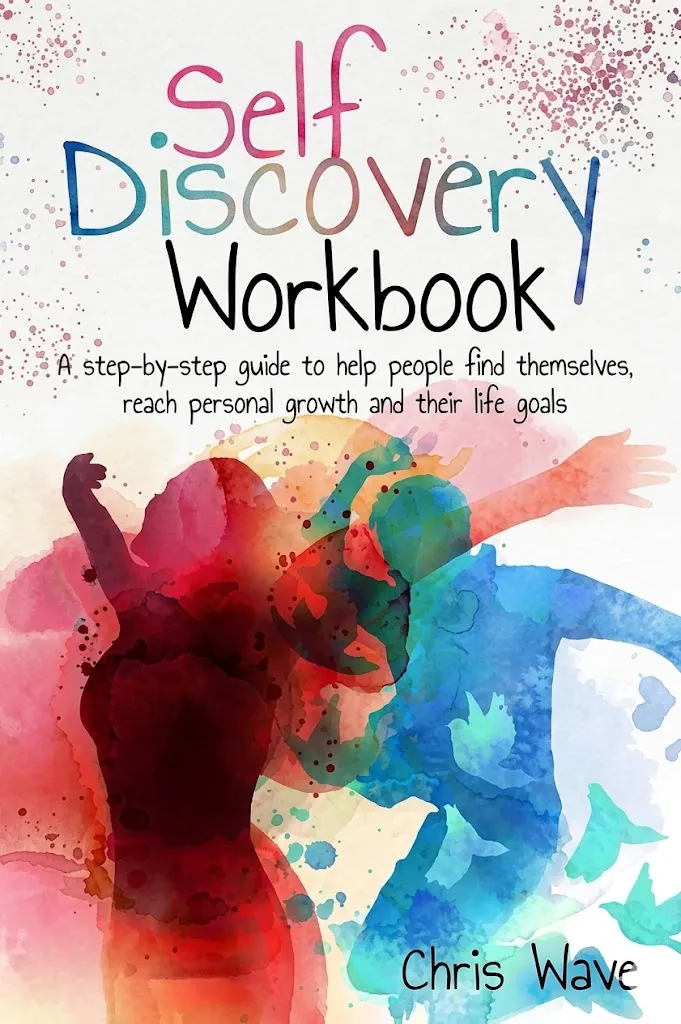
In today’s fast-paced and ever-changing world, self-discovery skills are essential for personal growth and long-term success. Understanding yourself—your strengths, weaknesses, values, and goals—can help you make better decisions and build a more meaningful life.
Self-discovery is not a one-time process but a continuous journey of learning, reflection, and improvement.
1. What Are Self-Discovery Skills?
Self-discovery skills refer to the ability to explore and understand your inner self. This includes recognizing your emotions, identifying your passions, and evaluating your strengths and weaknesses.
These skills help you gain clarity about who you are and what you want to achieve in life and work.
2. Why Are Self-Discovery Skills Important?
Self-discovery skills are important because they help you understand your strengths, weaknesses, values, and goals. By knowing yourself better, you can make smarter decisions, build confidence, and choose the right path in your personal and professional life. These skills also support personal growth, improve relationships, and help you live a more meaningful and fulfilling life.
2.1. Improve Self-Awareness
Understanding yourself allows you to make decisions that align with your values.
2.2. Set Clear Goals
Knowing what you want helps you create meaningful and achievable goals.
2.3. Boost Confidence
When you understand your strengths, you feel more confident in your abilities.
2.4. Enhance Personal Growth
Self-discovery helps you continuously improve and adapt to change.
3. Key Self-Discovery Skills You Should Develop

Key self-discovery skills include self-awareness, reflection, and emotional intelligence to better understand your thoughts and feelings. You should also develop goal-setting, critical thinking, and the ability to evaluate your strengths and weaknesses. These skills help you make better decisions, grow personally, and build a clear direction for your future.
3.1. Self-Reflection
Take time to think about your experiences, actions, and decisions.
3.2. Emotional Awareness
Understand and manage your emotions effectively.
3.3. Goal Setting
Define clear goals based on your values and interests.
3.4. Critical Thinking
Analyze your choices and learn from past experiences.
3.5. Openness to Feedback
Accept feedback from others to gain new perspectives.
4. How to Improve Self-Discovery Skills
To improve self-discovery skills, take time for regular self-reflection through journaling or meditation to better understand your thoughts and emotions. Set personal goals, seek feedback from others, and try new experiences to learn more about your strengths and weaknesses. Consistent practice and openness to change will help you grow and gain clearer direction in life.
4.1. Keep a Journal
Writing down your thoughts helps you understand yourself better.
4.2. Ask Yourself Questions
Reflect on what makes you happy, motivated, or stressed.
4.3. Try New Experiences
Exploring new activities helps you discover your interests.
4.4. Seek Feedback
Ask friends, mentors, or colleagues for honest opinions.
4.5. Practice Mindfulness
Stay present and aware of your thoughts and feelings.
5. Tips for Your Self-Discovery Journey
To make your self-discovery journey more effective, be honest with yourself and embrace both your strengths and weaknesses. Stay curious, try new experiences, and step out of your comfort zone to learn more about who you are. Practice patience, reflect regularly, and focus on continuous growth rather than perfection.
- Be honest with yourself
- Accept both strengths and weaknesses
- Stay curious and open-minded
- Take time for personal reflection
- Focus on continuous improvement
6. Conclusion
Developing strong self-discovery skills is essential for building a meaningful and successful life. By understanding yourself better, you can make smarter decisions, set clear goals, and grow both personally and professionally. Remember, self-discovery is a lifelong journey, and every step you take brings you closer to your true potential.
Although the journey of self-discovery takes time and effort, it allows you to grow, adapt, and become the best version of yourself. Ultimately, knowing yourself is the foundation for achieving success, happiness, and a balanced life.