
Self-Discipline: The Secret to Maintaining Long-Term Motivation

Long-term motivation is something almost everyone struggles with. Many people start new goals with excitement—learning a language, exercising, building a business, or studying for exams—but that motivation often fades after a few days or weeks. What separates people who succeed from those who quit is not motivation alone. The real secret is self-discipline.
Self-discipline helps you continue working toward your goals even when you don’t feel motivated. In fact, the most successful people rely less on bursts of inspiration and more on daily discipline.
In this article, we’ll explore why self-discipline is the key to long-term motivation and how you can build it in your everyday life.
1. What Is Self-Discipline?
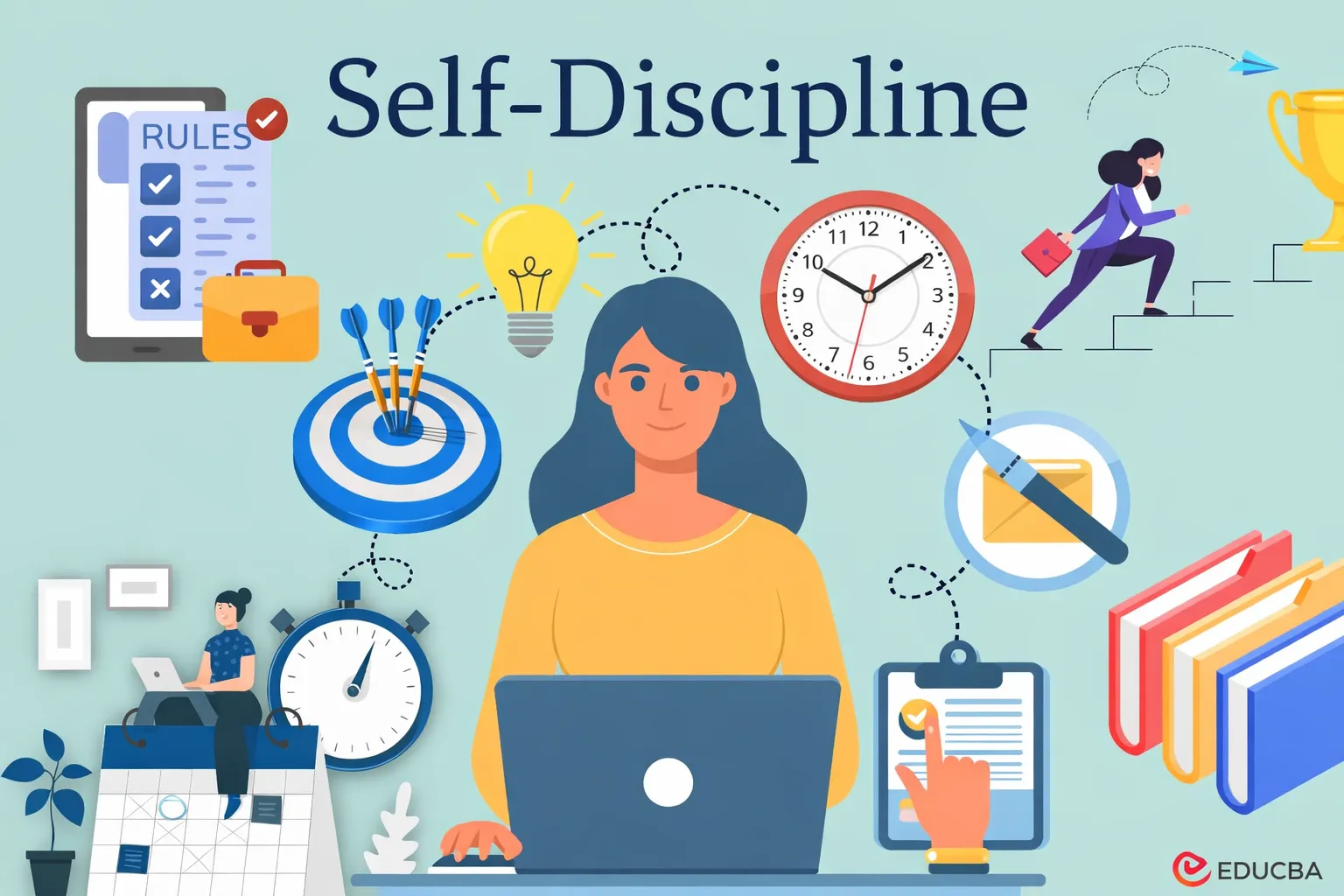
Self-discipline is the ability to control your actions, emotions, and habits in order to achieve a goal. It means doing what needs to be done—even when you don’t feel like doing it.
For example:
- Studying instead of scrolling social media
- Exercising even when you feel tired
- Saving money instead of making unnecessary purchases
- Working consistently toward long-term goals
Self-discipline is not about being perfect. It’s about making the right choice more often than the easy one.
2. Why Motivation Alone Is Not Enough
Motivation is powerful, but it is also temporary. It often depends on emotions, environment, or inspiration.
You may feel motivated when:
- You watch an inspiring video
- You start a new project
- You see someone else succeed
However, motivation tends to disappear when things become difficult, boring, or stressful.
This is where self-discipline becomes essential. Discipline ensures that you keep going even when motivation fades. Over time, consistent action builds progress—and progress creates new motivation.
3. How Self-Discipline Builds Long-Term Motivation
1. Discipline Creates Consistency
Consistency is the foundation of long-term success. Small actions repeated every day can lead to massive results over time.
For example:
- Reading 10 pages a day = about 12–15 books per year
- Exercising 30 minutes daily = major health improvements
- Practicing a skill regularly = professional mastery
Self-discipline allows you to keep taking these small steps.
2. Discipline Builds Strong Habits
Habits reduce the need for motivation. Once a behavior becomes automatic, you no longer rely on willpower every day.
Examples of productive habits include:
- Morning planning
- Daily exercise
- Focused work sessions
- Regular learning
Self-discipline helps you maintain these behaviors until they become habits.
3. Discipline Strengthens Mental Resilience
Life always includes challenges, setbacks, and failures. Self-discipline trains your mind to stay focused despite obstacles.
Instead of giving up, disciplined individuals:
- Adjust their strategy
- Learn from mistakes
- Continue moving forward
This resilience keeps long-term motivation alive.
4. Practical Ways to Build Self-Discipline
Building discipline does not happen overnight, but small steps can make a big difference.
1. Start With Small Goals
Large goals can feel overwhelming. Break them into smaller, manageable tasks.
For example:
Instead of saying:
“Study English for 3 hours daily.”
Start with:
“Study English for 20 minutes every day.”
Small wins build confidence and consistency.
2. Create a Clear Routine
A daily routine reduces decision fatigue and helps you stay focused.
Example routine:
- Morning: planning and priority tasks
- Afternoon: focused work
- Evening: learning or exercise
A structured day supports disciplined behavior.
3. Remove Distractions
Distractions are one of the biggest enemies of discipline.
You can reduce them by:
- Turning off unnecessary notifications
- Using website blockers
- Creating a quiet workspace
A focused environment makes disciplined work much easier.
4. Track Your Progress
Tracking progress keeps you accountable and motivated.
You can use:
- A habit tracker
- A journal
- A productivity app
Seeing your progress visually encourages you to keep going.
5. Reward Yourself
Rewards reinforce disciplined behavior.
For example:
- After completing a week of workouts, treat yourself to something enjoyable
- After finishing a major task, take a relaxing break
Balanced rewards make the process sustainable.
5. The Long-Term Benefits of Self-Discipline
Developing self-discipline can transform many areas of your life:
- Career success – consistent skill development
- Better health – regular exercise and healthy habits
- Financial stability – controlled spending and smart saving
- Personal growth – continuous learning and improvement
Over time, disciplined actions create results that motivation alone cannot achieve.
6. Final Thoughts
Motivation can start the journey, but self-discipline keeps it going. When you rely on discipline rather than temporary inspiration, you create consistent progress toward your goals.
Remember, success is not about massive effort once in a while. It is about small, disciplined actions repeated every day.
If you begin building self-discipline today—even with small steps—you will develop the long-term motivation needed to achieve your biggest goals.