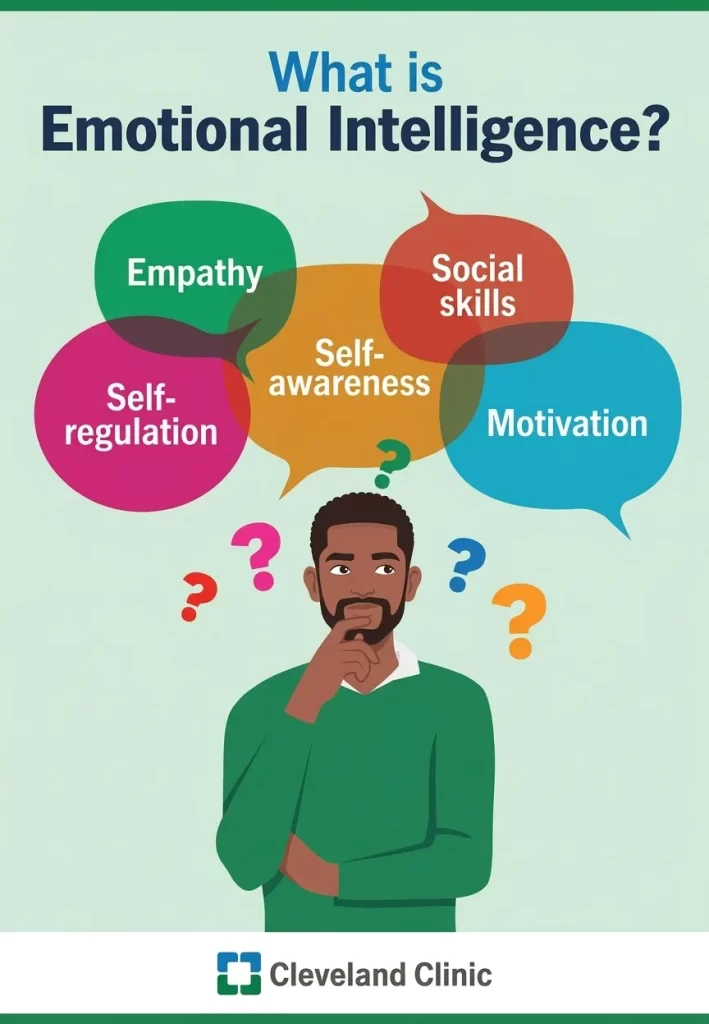
Ways to Control Emotions and Improve Emotional Intelligence (EQ)
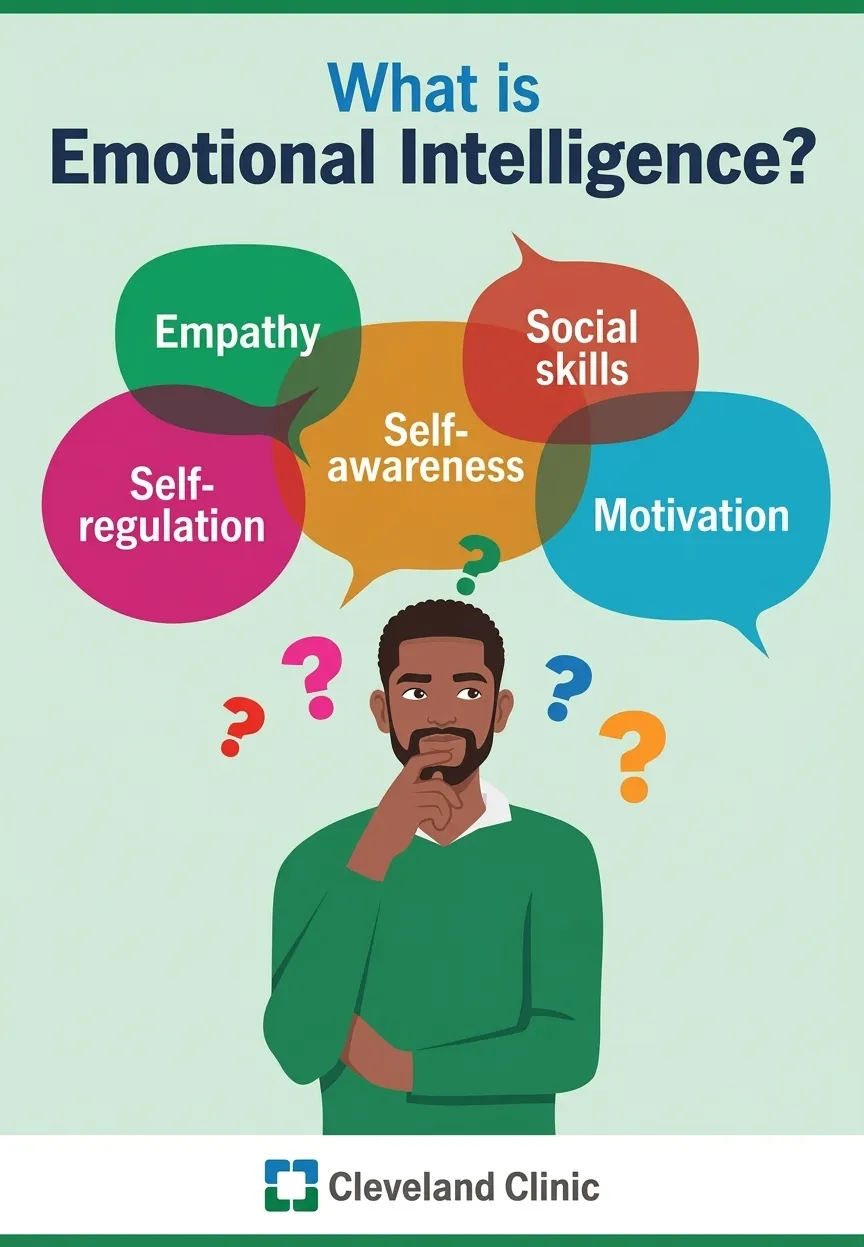
Introduction
Emotions play a powerful role in our daily lives. They influence how we think, act, and interact with others. However, when emotions are not managed properly, they can lead to stress, conflict, and poor decisions.
That’s why emotional intelligence (EQ) is essential. It helps you understand and control your emotions while also recognizing and responding effectively to others.
So, how can you control your emotions and improve your emotional intelligence? Let’s explore practical strategies you can apply every day.
1. What Is Emotional Intelligence (EQ)?
Emotional intelligence (EQ) is the ability to:
- Recognize your own emotions
- Understand how emotions affect your behavior
- Manage your emotional responses
- Empathize with others
- Build strong relationships
Unlike IQ, EQ can be developed and improved over time.
2. Why emotional control Matters
When you learn to manage your emotions, you can:
- Make better decisions
- Communicate more effectively
- Reduce stress and anxiety
- Handle conflicts calmly
- Improve personal and professional relationships
Emotional control is not about suppressing feelings—it’s about managing them wisely.
3. 7 Ways to Control Emotions and Improve EQ
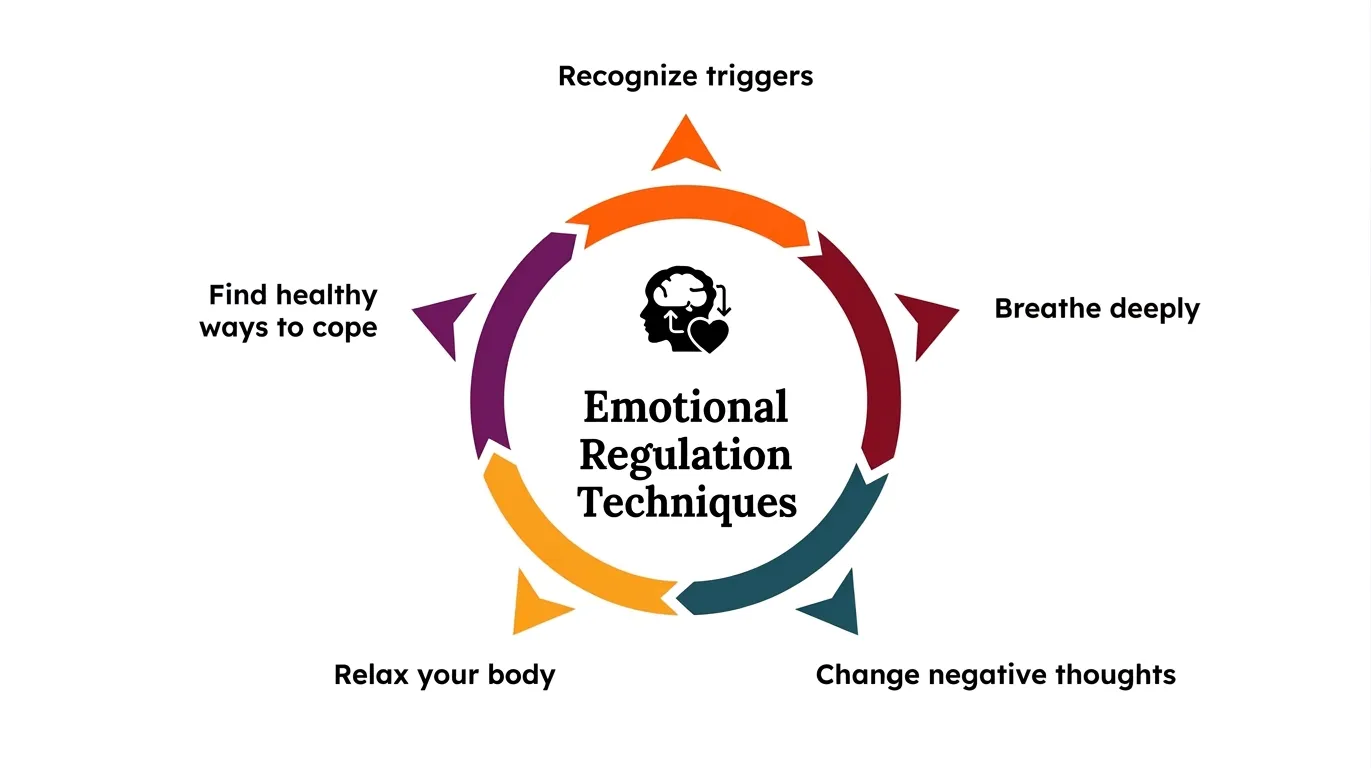
Controlling emotions and improving emotional intelligence (EQ) requires awareness and consistent practice. First, you need to recognize your emotions and understand their causes. Pausing before reacting helps you avoid impulsive decisions and respond more calmly. Techniques like deep breathing can reduce stress in difficult situations. Developing empathy allows you to understand others better and build stronger relationships. It is also important to manage stress through healthy habits and communicate your feelings clearly and respectfully. Over time, reflecting on your reactions helps you improve emotional control and become more balanced.
1. Practice Self-Awareness
The first step is recognizing your emotions.
👉 Ask yourself:
- What am I feeling right now?
- Why do I feel this way?
Keeping a journal can help you track emotional patterns.
2. Pause Before Reacting
Strong emotions often lead to impulsive reactions.
👉 Try this:
- Take a deep breath
- Count to 5
- Give yourself time to think
This simple pause can prevent regretful actions.
3. Identify Emotional Triggers
Understand what situations or people trigger strong emotions.
Common triggers include:
- Stress
- Criticism
- Conflict
👉 Awareness helps you prepare and respond better.
4. Practice Deep Breathing and Relaxation
When emotions rise, your body reacts.
👉 Techniques to calm yourself:
- Deep breathing
- Meditation
- Progressive muscle relaxation
These help reduce emotional intensity.
5. Reframe Negative Thoughts
Your thoughts shape your emotions.
👉 Instead of:
“I failed, I’m not good enough”
Try:
“I learned something valuable from this”
Positive thinking improves emotional control.
6. Improve Your Empathy
Understanding others is a key part of EQ.
👉 Practice:
- Listening actively
- Seeing situations from others’ perspectives
- Avoiding quick judgments
Empathy strengthens relationships.
7. Develop Healthy Coping Habits
Avoid unhealthy emotional reactions like:
- Overeating
- Angry outbursts
- Avoidance
👉 Replace them with:
- Exercise
- Talking to someone you trust
- Creative activities
4. Daily Habits to Improve Emotional Intelligence
- Reflect on your day
- Practice gratitude
- Stay mindful of your reactions
- Communicate openly and honestly
- Learn from emotional experiences
5. Common Mistakes to Avoid
- Suppressing emotions completely
- Reacting impulsively
- Ignoring others’ feelings
- Blaming others for your emotions
- Avoiding self-reflection
6. Conclusion
Controlling your emotions and improving emotional intelligence is a lifelong journey. It requires self-awareness, practice, and patience.
By applying small daily habits—like pausing before reacting, understanding your triggers, and practicing empathy—you can develop stronger emotional control and build better relationships.
Start today. Your future self will benefit from every small improvement.